We arrived on the Morning of the 30th during periods of pouring rain. We didn’t have much choice about getting out in the weather to drop sails and come alongside the Customs Quay. The officials’ normal enthusiasm was a bit dampened, however. Our papers were neatly in order, our prohibited foodstuffs were bagged and ready to hand over, and Rebecca was her normal, winning self. So clearance went smoothly and we felt welcomed back to New Zealand.
The cold rain over the last few days is taking a bit of getting used to. We are reading, napping, sleeping, and talking about the short list of tasks before getting underway again. This season we will cruise and land tour a lot of New Zealand. To get in the swing, we plan on leaving the marina in a couple of days and day-hopping down the coast to their Great Barrier Island. I understand the diving for “Crayfish” and abalone is spectacular. The locals recommend a 7-mil wet suit. I only have a 5-mil and haven’t seen my hood in years. If only I had a 75-foot trawler I could walk down to the dive locker and pull out a dry suit for these special occasions. If I remember correctly, I’m supposed to have two or three slugs of rum as a belly warmer before the dive.
According to Lonely Planet…
New Zealand is a country of rare seismic beauty: glacial mountains, fast-flowing rivers, deep, clear lakes, hissing geysers, and boiling mud. There are also abundant forest reserves, long, deserted beaches, and a variety of fauna, such as the kiwi, endemic to its shores. Any number of vigorous outdoor activities – tramping (hiking), skiing, rafting and, of course, that perennial favorite, bungy jumping – await the adventurous. You can swim with dolphins, gambol with newborn lambs, whale watch, or fish for fattened trout in the many streams. The people, bound in a culture that melds European with Maori ancestry, are resourceful, helpful, and overwhelmingly friendly. The extraordinary place names – try Te Awamutu, Whangamomona or Paekakariki for tongue-trippers – are resonant and, with a modicum of practice, easy to pronounce.
Because it’s such a compact place, travel within New Zealand – whether by plane, bus, rail, car, or bicycle – is affordable and efficient. Accommodation too is cheap and varied. And the culinary promise of venison, fresh seafood, sublime ice cream, and award-winning wines should more than whet the appetite. (Courtesy of www.lonlyplanet.com)

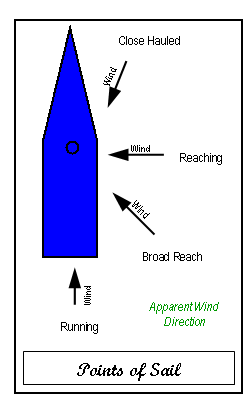 The dreaded low-pressure system passed over us yesterday with its accompanying cold front. Happily, this one wasn’t too strong and passed over us during daylight hours. We spent the day under gray skies with periods of torrential rain. Out came our seldom-worn foul-weather gear. In the tropics, we would enjoy the rain but this far south it’s cold! With our hard dodger it wasn’t bad and the winds stayed under 25 knots behind us.
 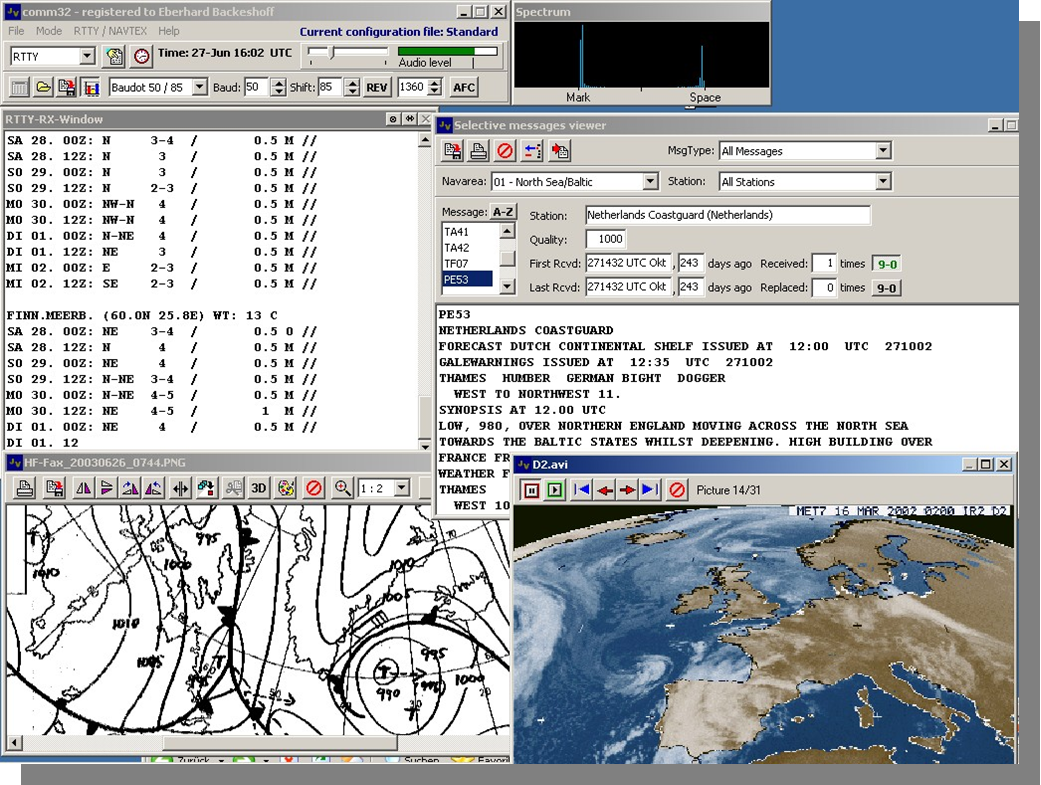 In answer to your question, the weather software we use is by a German company that receives weather faxes and grib files downloaded from the amateur radio Winlink network. Grib files are also available from commercial stations such as SailMail. Check K4CJX’s website for a description of Winlink and grib files.
 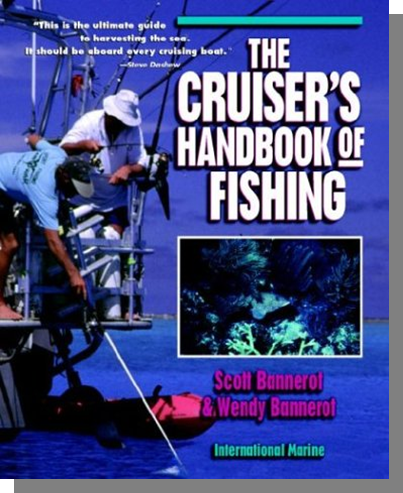 Anyone going cruising should have a copy of The Cruiser’s Handbook of Fishing. This book describes every possible fishing technique. For years we trolled with a small Penn Senator Reel and rod and a “meat line” (1/4″ 3-strand, 15 feet of wire leader, and a bungee cord to take the shock of a fish strike). After studying the book we graduated to trolling two Shimano rods and gorgeous Shimano Tiagra W-50, lever drag reels. Our lures are usually Rapella’s or plastic squids with metal heads. We use a wide range of colors and sometimes “decorate” the plastic squids with Mylar strips from wine box bladders, chip bags, bits of colorful yarn, etc. We’ve had a great fishing year and have done much better than friends on other boats. I give full credit to the book. Fishing is a whole lot more fun when you regularly catch fish. We’re looking forward to learning how to catch the large, 10-15 pound Snapper in New Zealand. There’s also plenty to learn about abalone, mussels and other mysterious creatures in New Zealand’s outlying islands.
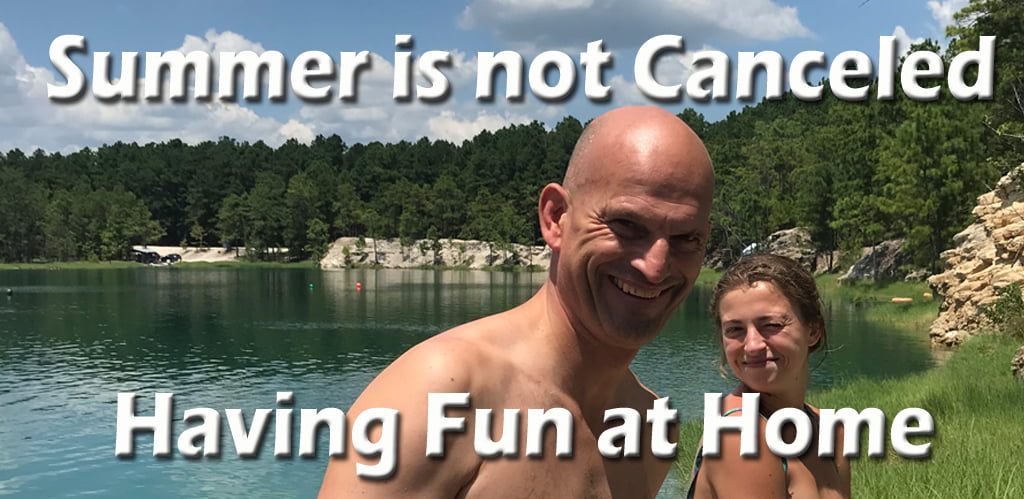
 But that doesn’t mean that we cannot find safe but fun things to do close to home. One of our staff members, Charles has made several trips to the Florida Panhandle to relax and go diving in a safe and socially distanced environment.
 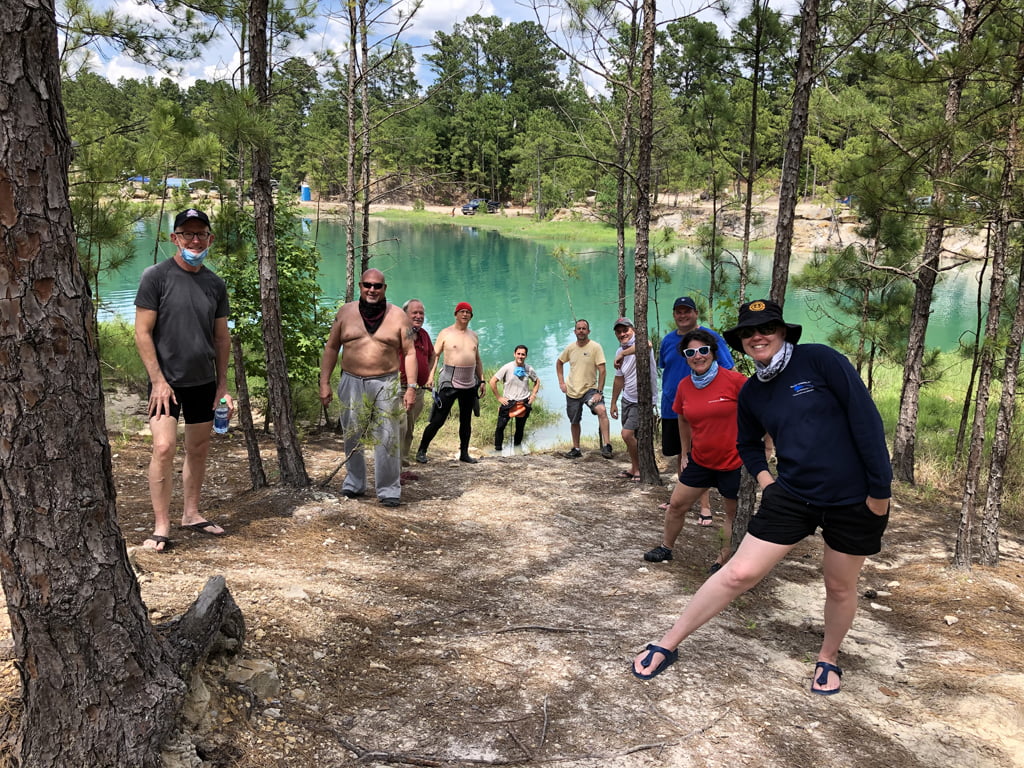 Now, I realize that taking a scuba class is not the same as a summer vacation and diving in the lake is not the same as diving in Grand Cayman or Cozumel. But that doesn’t mean you have to sit at home and lament missing your summer.
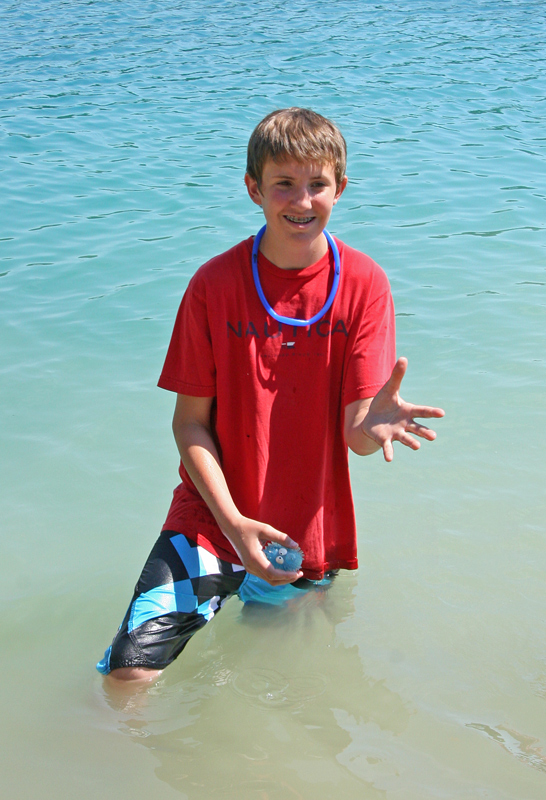 If you still have non-diving family members, now is a great time to get started and discover our local diving spots in anticipation of expanded local diving to Cozumel, Grand Cayman or Belize sometime in the near future. The materials are electronic, the classroom sessions are virtual and the pools sessions are near your home – in your own backyard or a neighbor’s backyard.
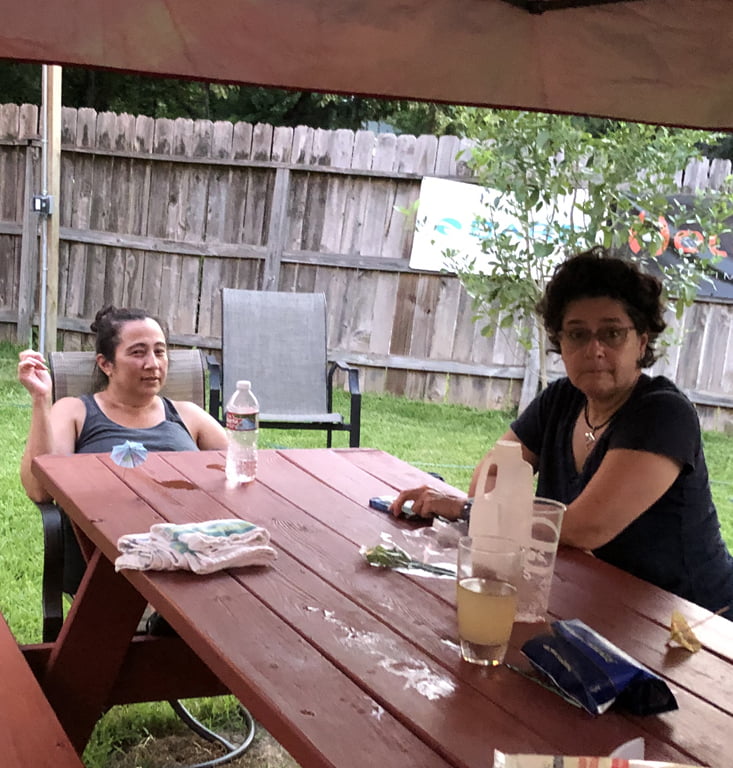 When you are not diving, why not grab your dive buddy, a few treats and some fun beverages and visit our backyard party and event space for a socially distanced “happy hour.” We have had a number of these over the summer and they have been a lot of fun and a positive way to get together.