• Skip to primary navigation
  • Skip to main content
  • Skip to footer

Houston's Premier Scuba and Dive Shop Oceanic Ventures Inc.

(713) 523-3483 (dive)
5808 Newcastle Drive
Houston, TX 77401

  • Home
  • Stay Current
    • Our Blog
    • Travel and Events Calendar
    • Club Aquarius Social Club
      • Club Aquarius Social Club Upcoming Events
      • Club Aquarius Social Club – The Past
    • Special Events
    • Local Scuba Diving Events
    • Photography Contest
    • Categorized Blog Posts
  • Equipment
    • Dive Equipment
    • Rebreather Systems
    • Cruise Ship Passengers
    • Repair & Maintenance
    • Air & Mixed Gas Blending
    • Pure Fiji Spa Products
  • Training
    • Become a Scuba Diver
    • Scuba In Your Home or Ours
    • Diving Programs for Young Explorers
    • Recreational Dive Courses
      • Recreational Dive Courses overview
      • The Briar Club Scuba Program
      • West University Scuba Program
      • Houstonian Scuba Program
    • Technical Diving Courses
      • Basics
      • Nitrox
      • Trimix
      • Rebreather
      • Wreck Diving Programs
      • Cave Programs
      • Blending
    • Leadership Dive Courses
  • Travel
    • Travel Escorted Adventures
    • Travel – Other Travel Programs
    • Travel – Custom Travel Adventures
    • Local Scuba Diving Events
    • Technical Travel
    • Scuba Diving Around Texas
    • Travel Insurance
    • Travel Forms
  • Company
    • About Oceanic Ventures
    • Meet Our Team
    • Testimonials
    • Facility Hours
    • Map
    • Oceanic Ventures Foundation
    • Resources & Articles
    • Archive
  • Shop
    • Online Store
    • Cart
    • Checkout
    • My Account
    • Policies regarding Privacy and Purchases
  • Contact

Training

February 22, 2021 by Eric Keibler

A Gift for our Diving Family

The sun has returned but my guess is that most of you are not planning on diving over the next few weeks. However, Oceanic Ventures and SSI have a gift for you that requires no travel or water. Effective today we have an absolutely FREE SSI digital Marine Ecology course we’re offering through the 15th of March

Simply purchase the course and enter the coupon code thankyou022021 on checkout or contact Dive Mom and she will enroll you in the program.

This course is very educational, interesting and can be completed on any device (desktop, laptop, tablet or smart phone) not to mention it’s a $75 dollar value for FREE.
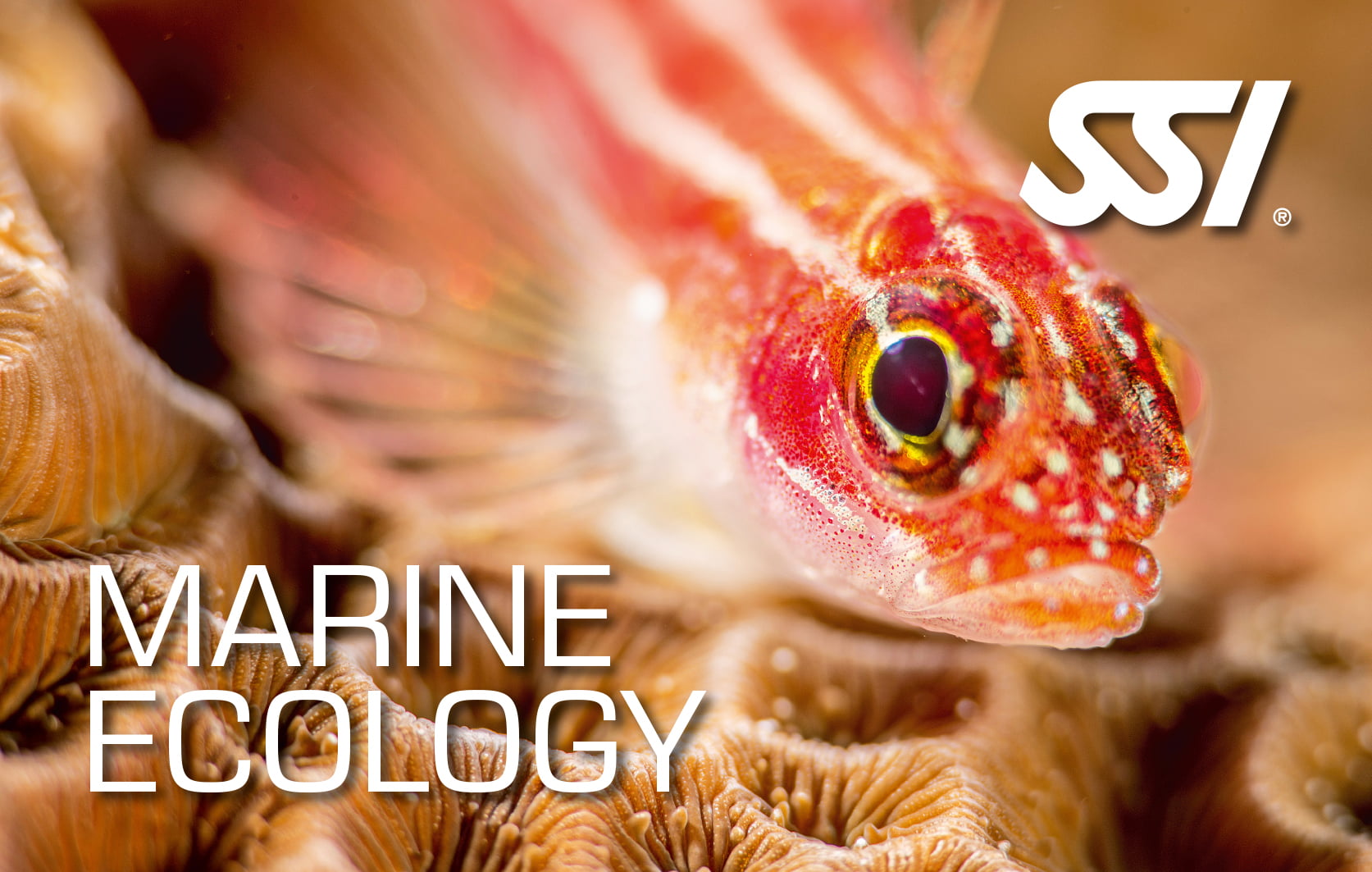
Complete the on-line program test before March 31, 2021 and you will receive a digital certification card, too! Don’t delay, contact Dive Mom today and begin your course in the comfort of your home!
Filed Under: Uncategorized Tagged With: ecology, Training

August 11, 2020 by Stefanie

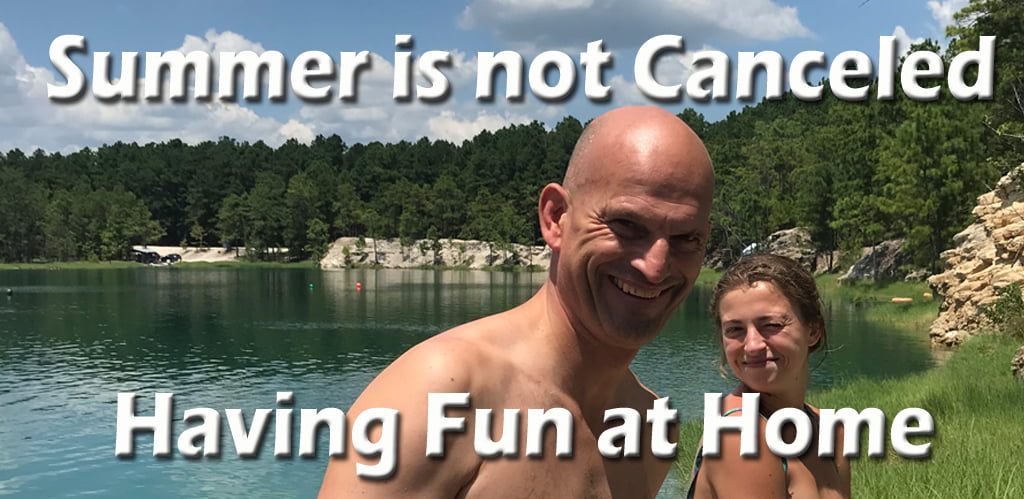
Summer is Not Canceled!

This summer, things have been a little different for all of us.  My trip to Bikini was postponed until 2022 and my trip to Grand Cayman was put on hold.  I know that I am not alone in having my summer trips changed.  David & Jamie missed a trip to St Croix and their Grand Cayman trip was postponed to 2021.  A number of our clients have also had their plans changed, delayed or canceled. 

But that doesn’t mean that we cannot find safe but fun things to do close to home. One of our staff members, Charles has made several trips to the Florida Panhandle to relax and go diving in a safe and socially distanced environment.    
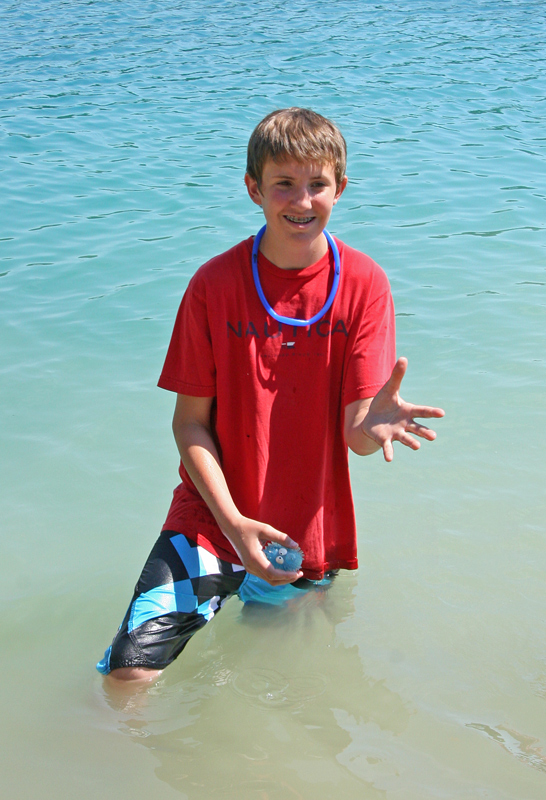
We have spent much of June and July teaching Starfish™, Scuba Rangers™ and scuba in backyard pools with children and families. Our continuing education classes are all in our virtual classroom with the confined water session being conducted up at the lake.

Now, I realize that taking a scuba class is not the same as a summer vacation and diving in the lake is not the same as diving in Grand Cayman or Cozumel.  But that doesn’t mean you have to sit at home and lament missing your summer.
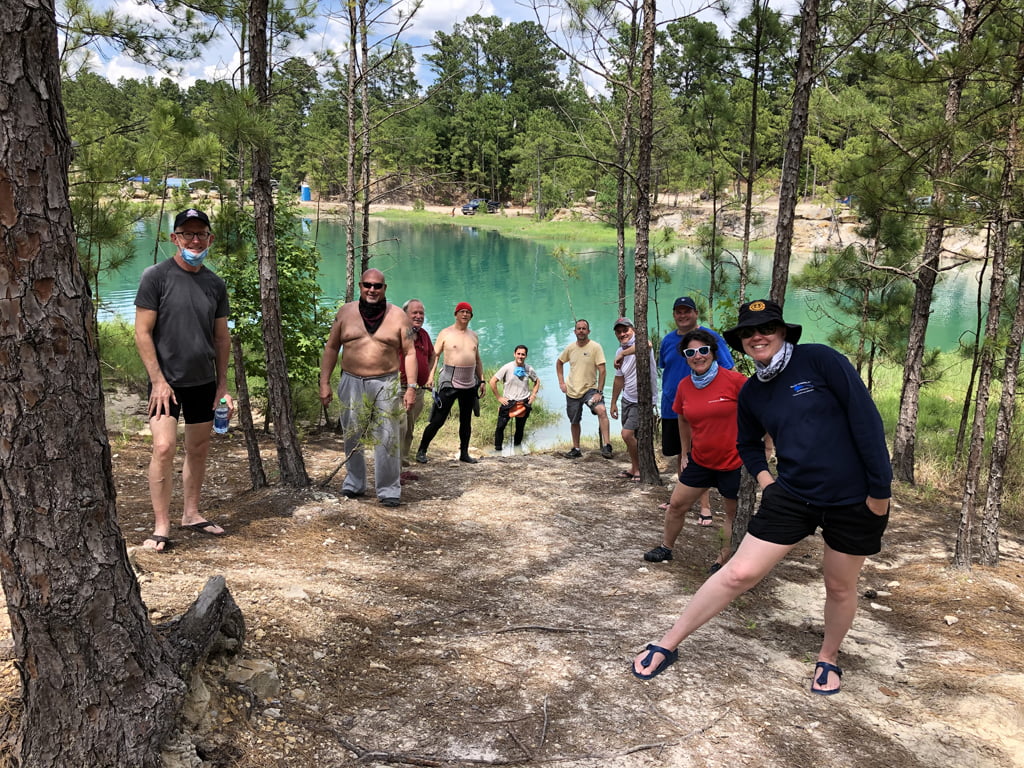
If you haven’t guessed by now, I am a glass is half-full kind of person so I always try to find the silver lining.  Maybe this is your time to reconnect with your family and diving friends.  How about lunch and diving up at Beautiful Blue Lagoon or a small gathering of divers down at Mammoth Lake?  Feel like a little drive and some camping?  Lake Travis is only 3 hours away and you can camp and dive at Windy point.  Or, as one of our clients is doing in a few weeks, they are renting a house through AirB&B and while the divers are at the lake, the non-diving family members will be relaxing around the pool. 

If you still have non-diving family members, now is a great time to get started and discover our local diving spots in anticipation of expanded local diving to Cozumel, Grand Cayman or Belize sometime in the near future.  The materials are electronic, the classroom sessions are virtual and the pools sessions are near your home – in your own backyard or a neighbor’s backyard.
For those already a certified diver, a continuing education course might be the thing to get you out and moving.  You can join the class virtually and then head to the lake to complete the course.  This will let you socialize with real people, outdoors in a safe environment and improve your skills in the process.

Don’t want to take a class and then head up to a local dive spot with a buddy.  The closest locations to Houston are:

  • The Blue Lagoon in Pine Prairie Texas (ok now Huntsville, TX) offers a nice setting in the piney woods with relatively clear water (for a Texas Lake).  It is a diver and swimmer only lake with no boating traffic.  There are platforms and sunken objects to find.
  • Mammoth Lake in Lake Jackson, TX is full of underwater features from planes to boats, wooly mammoths to king kong and lots of boats underwater.  Like Blue Lagoon, it is a diver and swimmer only lake with no boating traffic.  The visibility is relatively good in the first 20 feet (better than Blue Lagoon) and not bad further down.
  • Lake Longhorn in Clear Lake, Texas is a former sand pit.  This generally means that the visibility is not very good most of the summer due to increasing algae growth. 

Venturing a little further from home you might try:

  • Windy Point on Lake Travis in Austin, Texas
  • Canyon Lake in New Braunfels, TX
  • Reveille Peak Ranch in Burnet, Texas

You can see all of our Texas diving suggestions with descriptions and links here.

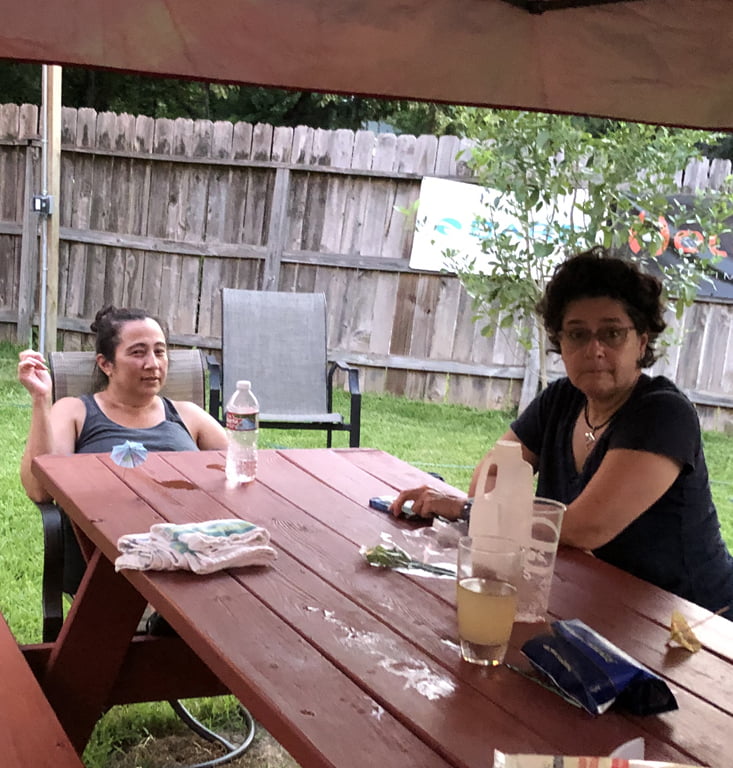
When you are not diving, why not grab your dive buddy, a few treats and some fun beverages and visit our backyard party and event space for a socially distanced “happy hour.”  We have had a number of these over the summer and they have been a lot of fun and a positive way to get together.

So even if your summer plans have changed, don’t cancel your summer fun, just revamp and adjust.  Remember, as divers we know how to have fun rain or shine.  Just reframe this event and look with me for that “silver lining.”

Filed Under: Local Diving, Scuba Dive Training Tagged With: summer, Training

September 30, 2019 by Marc

Dive Mom, What's Next For Me?

“My course is done, what do I do next?” This is a question I am asked all of them time and the answer is dependent on a number of things. Where are you in your diving? In other words, are you a new diver, someone with a little diving experience or someone with years of experience? This is the first step in finding a pathway into your diving future. Another question to ask yourself is what do I really want to do? Do I want to enjoy the fish or dive deep into wrecks?
If you remember from your Open Water class, there are four things that help make you a safe comfortable diver. We called this the Diver Diamond. The four parts of the diamond are proper knowledge, skills, equipment and experience. Every level of diving requires a balance of these four things. So let’s look at some possible pathways.

New Open Water Diver

Lift Bag by Chuck GerlneuchYou have completed your open water program and if you took it from Oceanic Ventures, your program probably included a Computer Diving Specialty and a Nitrox specialty. These two specialties along with twelve dives qualify you as a Specialty Diver.


To help you progress in your diving, enrolling in one of our Specialty Diver Weekends will let you continue to work on your buoyancy and diving skills with one of our diving professionals and will give you more knowledge of diving. This program includes the following specialties:

  • Navigation
  • Search & Relocation
  • Night & Limited Visibility Diving

You may also want to enroll in a Deep Diver specialty which you can complete on a trip. Completing this weekend will qualify you for your Advanced Open Water card (along with 24 logged dives).  We offer this the second week/weekend of the month.

Again, this program is designed to help you develop additional skills and knowledge to make diving more fun and to let you gain a little more experience underwater. And let’s not forget, it is a fun weekend! The water stays relatively warm in Houston through November so it is great to do in the fall. While we continue to offer the programs during the winter months, you will have to add a Dry Suit Specialty to your Course selection.

Advanced Open Water Diver

Ok, you have some specialties and some diving under your belt so, where do you go from here? My recommendation is to enroll in a Stress & Rescue class. This program will help you build more confidence in your diving abilities and to recognize problems before the dive begins. One of our clients even commented that it “was worth the price of admission.”

Another factor is that with fifty logged dives, four specialties and Stress & Rescue you will be qualified for your Master Diver card!

Other Diving Interests

Eric Keibler in a cave

You may also be thinking about getting involved in more specialized diving areas like wreck or cave diving, Extended Range diving (staying down longer or going a little deeper) or going all out for Technical Diving. Each of these programs has a progression of courses that build on your advanced open water knowledge and skills. We offer these courses throughout the year so if you are interested, contact me and I will help you get enrolled in the proper set of courses.  A good place to start this program is to enroll in a recreational side-mount program/advanced buoyancy class.  It is the first step down the extended range path.

Other programs like photography can be done by divers at all levels. The main diving skill for photography is buoyancy – it is bad form to kill the coral around your subject. There are various levels of equipment which enable you to capture those memories and it depends on how technical you want to be (i.e. point-n-shoot vs housed SLR) and how much you want to invest. We can help you evaluate your wants and desires.

Some people want to get more involved in working with certified divers or new divers. Like technical diving, there is a progression of courses leading from Dive Guide to Dive Master to Specialty Instructor to Assistant Instructor to Open Water Instructor all the way up to an Instructor Trainer.

Conclusion

No matter where you are in your diving skills and education there are programs to help take you to the next level. The important thing is to keep diving and keep learning in order to maintain and improve your skills. If I can help in anyway, please leave me a comment or drop me a line.

Filed Under: Scuba Dive Training Tagged With: continuing education, scuba training, Training

February 5, 2018 by Eric Keibler

Wade's Excellent Scuba Diver Specialty Weekend

Wade in Truck with Snorkel
Let’s Go Diving!

Wade is hosting a Specialty Diver Weekend!  Now, before you tune it out, it isn’t until May so the water will be warm and the weather will be stunning (ok, the water will be warmer, we can’t guarantee the weather).  This is the perfect opportunity to improve your diving skills, become more confident in your diving and learn some valuable diving skills while having fun!

If it is in May, why mention it now?

I can hear you asking, “if it is not until May, why should I sign-up now?”  Because “now” is the perfect time to start reading the material; it is cold outside!  One of the requirements for a Specialty Diver Weekend is that you must complete all of the educational materials before you show up. By enrolling now, you

  1. Have time to complete your reading;
  2. Guarantee your space;
  3. Have time to make sure you have the required equipment for the program;
  4. Have time to purchase what you are missing; and
  5. Plan your contribution to the “Pot Luck Dinner” (remember as Eric says, Texas Diving is a BarBQ interrupted by diving).

What specialties can I take?

You can participate in a number of specialty programs this weekend including,

  • Nitrox
  • Navigation
  • Night & Limited Visibility
  • Search & Relocation

How Do I sign-up?

Enrolling in a class is “as easy as squeezy” as they say in Trinidad.  You can either call Dive Mom to sign-up or simply, click a button below, which will take you to the product to purchase it.  Either way, we will open up the training materials so you can get started and be ready for diving in May.
 

Filed Under: Classes and Training Tagged With: continuing education, diving skills, Scuba Dive Training, specialties, Training

June 5, 2016 by Simon Pridmore

Dealing With Accidental Decompression

Divers under the boatThere is nothing to fear about accidentally going into deco as long as you know what to do when it happens.

Simon is the best-selling author of Scuba Confidential – An Insider’s Guide to Becoming a Better Diver and Scuba Professional – Insights into Scuba Diver Training & Operations. Both books are available from Oceanic Ventures. Simon has also just published a new book for divers-to-be and absolute beginners called Scuba Fundamental – Start Diving the Right Way.
There is a very good reason why instructors tell their students not to go into deco and why dive computer manuals repeat the warning time after time.
Chances are that the cylinder on your back is usually your only air source when you dive. If you run very low on air or if you suffer a rapid loss of air supply, perhaps because of a regulator free flow or a split hose, then the best option you have is to make a slow controlled ascent directly to the surface.
Yes, an alternative option is to share air with an alert, calm and capable diver around who is carrying more air than they need and is both equipped and willing to share it. But you can’t depend that someone like that will be nearby when you need them.
If you stay calm and you are not in deco, that is to say, if your computer is not showing required decompression stops, you will make it safely to the surface. You will probably not be able to make a safety stop on the way up but that is not going to be health threatening. After all, a safety stop on a no-decompression-stops dive is a luxury rather than a necessity.
On the other hand, if you do have required decompression stops, then going straight to the surface and missing those stops is definitely a health risk! That is the main reason why divers are told, “don’t go into deco!”

But Divers Do It All The Time

You may not be surprised to hear that divers accidentally go into deco every day. This is because they are only human, they have fun diving and they tend to get distracted. If it has not yet happened to you, it certainly will, so it is useful to know what to do when it does!
Because they have heard the warning so often, divers tend to panic when they find themselves accidentally in deco. There is no need for anxiety. Going into deco will not hurt you. Going to the surface when you are in deco, however, may well hurt you.
Know how your computer works and what it looks like when you go into deco. Do not be the diver who gets back into the boat moaning about a “broken” computer that is actually functioning perfectly. It is just telling the diver that they should still be underwater waiting until their deco stops clear.
The first thing you notice when you go into deco is that your computer screen suddenly looks different. A new depth reading appears, usually 10ft or 20ft, and a new time display. The depth is your new ceiling; you must not go shallower than this. The time is either your decompression stop time at the ceiling or an indicator of the minimum time it will now take you to reach the surface taking into account both your ascent time and the decompression stop time.
Every brand of computer is different. There is no industry standard. You must know how yours works. I know the manual looks boring but take the time to study it. Trust me, if you see your computer’s deco screen for the first time deep down at 100ft with your brain befuddled by narcosis, you will have no idea what it is saying to you.

Snyder01Run The Clock Down

So what do you do next? First, look at your pressure gauge. If you still have plenty of air left, relax; you have nothing to be concerned about. Start ascending gradually, keeping an eye on your computer until the deco/ascent time figure stops growing. When the figure starts to drop, continue your dive at that depth but do not go deeper again. Eventually, the deco will clear and you will see your usual no decompression screen display again with plenty of minutes remaining.
Finally, end the dive a little earlier than originally planned to make sure you have plenty of air left to do an extended safety stop of eight or ten minutes before you surface.

Remember

1. Going into deco is nothing to panic about.
2. Know what your computer screen will look like when it happens.
3. Do a long safety stop at the end of every dive where you accidentally go into deco.

Filed Under: Open Circuit, Scuba Dive Training, Skills Tagged With: diving, diving skills, Scuba Dive Training, Training

March 14, 2016 by Simon Pridmore

Scuba Diving and Narcosis – Diving Under the Influence

Simon is the best-selling author of Scuba Confidential – An Insider’s Guide to Becoming a Better Diver and Scuba Professional – Insights into Scuba Diver Training & Operations. Both books are available now from Oceanic Ventures.

Dive Manager - Csaba

Understanding narcosis, being aware of its effects, and knowing how to manage it are important tools for divers.

When you dive deep, you often see people do strange things under the influence of narcosis. One diver will swim away from his buddy, lost in his own thoughts until he suddenly realizes he is alone in the ocean. Another will keep looking at his computer every few seconds, apparently not registering what it is telling him. A third will stop on a reef wall and stare fixedly at a branch of coral for a good five minutes. Later, he will tell you that he thought the coral was a moray eel and that he was waiting for it to move.

This sort of thing can be funny but there is a serious side to narcosis. The diver who heads off into the blue without his buddies loses the support of the team. The diver who cannot remember what his computer was showing just a few seconds after looking at it is suffering from short-term memory loss and this makes it difficult for him to follow a dive plan.

Narcosis is an integral part of scuba diving. The only way to avoid it is not to dive deep. If you want to dive to 100ft and beyond, then you are just going to have to get used to it!

What is Narcosis?

Air, even oxygen-enriched air like NITROX, is an intoxicating cocktail. Many people will tell you they enjoy the “buzz” of going deep. This “buzz” is mainly due to “anesthetic potential”, something all gases have. In the right quantity, any gas can knock you out. Nitrogen, the major constituent gas in air, has substantial anesthetic potential and, as you dive deeper, the partial pressure of the nitrogen increases, and the depressant effect on your central nervous system becomes greater.

The effects are similar to alcohol and, just as with alcohol, they are dose-related. Narcosis is progressive and increases with time and depth. At 100ft a diver will experience mild symptoms such as euphoria and slow reactions but at 150ft the diver may not be able to function intellectually at all.

There is a widespread misunderstanding of what narcosis is. Many divers claim that they do not suffer from narcosis because they feel more relaxed, comfortable, confident, and capable at depth.  However, these are actually the most common symptoms, and, although it might sound like a good thing to feel like that, in fact, this state of mind will lead a diver to take more risks, forget or throw out the dive plan, react to an emergency more slowly and lose track of time.

Managing Narcosis

The good news is that narcosis can be managed.

The first steps are to recognize that it is there and understand what it is doing to you. Then you must train yourself to focus on important issues such as time, depth, and the dive plan and not allow yourself to get distracted.

Exercise mental control over everything you do. Move slowly and deliberately when carrying out a task at depth. You are more likely to get it right if you do something in a sequence of short steps, rather than try and do it quickly.

You can also use memory cues. Technical divers wear wrist slates to remind them of complex dive plans and experienced instructors carry checklists for training dives. They also make debriefing notes as they go because they know that later they will not be able to depend on their memory for the things that happened while they were at depth.

Probably the best defense against narcosis is to rehearse team rescue and self-rescue drills and skills until they become instinctive. Then, in an emergency, you will automatically choose the correct response without thinking about it.

Contributory Factors

A number of factors can aggravate narcosis. These include fatigue, alcohol, stress, cold, and dark water. Anticipating the effect of these additional factors is the key to dealing with them. For instance, use a drysuit in cold water, minimize alcohol intake, and get a good night’s sleep before a deep diving day.

Final Word

Narcosis is something to be understood and managed, rather than feared. There is no law against diving under the influence but proceed towards deep diving gradually. Don’t just go off the deep end straight away!

Simon Pridmore Avatar
Originally from the UK, Simon has lived in the Asia-Pacific region for almost 40 years and has been involved at the sharp end of the scuba diving industry since the early 1990s, pioneering mixed-gas deep diving in the region, first in Hong Kong and later through Professional Sports Divers, his dive centre in Guam, Micronesia. He then moved to the United Kingdom to run a major technical diver training agency and work with cutting edge dive equipment manufacturers VR Technology. Today, he is one of the most prolific and well-known scuba diving and travel authors around. As well as his many books and guides, Simon writes regular columns for a variety of magazines and, under the pen name S.J. Pridmore, has recently published a highly-acclaimed first novel May the People Know I’m Here? After a decade in Indonesia, then a couple of years back in Hong Kong, these days Simon and his wife Sofie live in the south of Taiwan, still on the move as always, trying, but so far failing, to find a cure for their itchy feet.

Filed Under: Scuba Dive Training, Scuba Diver Health Tagged With: Scuba Dive Training, Training

  • Page 1
  • Page 2
  • Page 3
  • Interim pages omitted …
  • Page 5
  • Go to Next Page »

Footer

Contact Us

Oceanic Ventures, Inc
5808 Newcastle Dr.
Houston, TX 77401-3214
USA

Phone: 713-523-DIVE (3483)

eMail: divesafe@oceanicventures.net

Signup for our dive and scuba newsletters

Don’t miss news about the exciting happenings at Oceanic Ventures.


Map and Directions

Socialize

  • Email
  • Facebook

Why People Choose Us

People choose their friends carefully just as they should choose their adventure partners and Scuba Diving Instructors.  Oceanic Ventures is the premier scuba dive shop in Houston, Texas, and the Southwest because of our exceptional service and our sense of adventure.  In talking with our clients and friends, people choose us for a number of reasons such as: Passion – We love what we do and we want to share the beauty and excitement of the underwater world with everyone we meet. Caring- Our clients tell us they love us because we truly care about people and strive to make their scuba diving experiences safe, fun and enjoyable. Professional – Our staff members are the … [Read more …]

Copyright © 2026 all rights reserved Oceanic Ventures, Inc. · Sitemap · Log in