• Skip to primary navigation
  • Skip to main content
  • Skip to footer

Houston's Premier Scuba and Dive Shop Oceanic Ventures Inc.

(713) 523-3483 (dive)
5808 Newcastle Drive
Houston, TX 77401

  • Home
  • Stay Current
    • Our Blog
    • Travel and Events Calendar
    • Club Aquarius Social Club
      • Club Aquarius Social Club Upcoming Events
      • Club Aquarius Social Club – The Past
    • Special Events
    • Local Scuba Diving Events
    • Photography Contest
    • Categorized Blog Posts
  • Equipment
    • Dive Equipment
    • Rebreather Systems
    • Cruise Ship Passengers
    • Repair & Maintenance
    • Air & Mixed Gas Blending
    • Pure Fiji Spa Products
  • Training
    • Become a Scuba Diver
    • Scuba In Your Home or Ours
    • Diving Programs for Young Explorers
    • Recreational Dive Courses
      • Recreational Dive Courses overview
      • The Briar Club Scuba Program
      • West University Scuba Program
      • Houstonian Scuba Program
    • Technical Diving Courses
      • Basics
      • Nitrox
      • Trimix
      • Rebreather
      • Wreck Diving Programs
      • Cave Programs
      • Blending
    • Leadership Dive Courses
  • Travel
    • Travel Escorted Adventures
    • Travel – Other Travel Programs
    • Travel – Custom Travel Adventures
    • Local Scuba Diving Events
    • Technical Travel
    • Scuba Diving Around Texas
    • Travel Insurance
    • Travel Forms
  • Company
    • About Oceanic Ventures
    • Meet Our Team
    • Testimonials
    • Facility Hours
    • Map
    • Oceanic Ventures Foundation
    • Resources & Articles
    • Archive
  • Shop
    • Online Store
    • Cart
    • Checkout
    • My Account
    • Policies regarding Privacy and Purchases
  • Contact

Photography

January 10, 2025 by Eric Keibler

Photo Hint – Adding a Diver for Scale and Interest

By Tobias Friedrich

Placing a diver into the background of an image is always a good idea and works best in wreck photography. This can be planned before the dive or can be a spontaneous situation like this, with the diver swimming by an opening with blue water in the background. Make sure to catch this moment by taking several images with your camera, then select the best one.

Equipment: SeaLife Micro 3.0, Sea Dragon 3000F

Settings: Deep Water White Balance

If you’d like a copy of the above underwater image, please email: lindsay@pioneer-research.com

SeaLife Micro 3.0 Pro 3000 Set

SL552 – Available now! Ideal for colorful, sharp stills and videos, the Micro 3.0 Pro 3000 Set includes the Sea Dragon 3000F Photo-Video Light, Micro 3.0 Camera, Flex-Connect Single Tray and Grip for optimal stability and handling. The SeaLife Micro 3.0 camera offers easy set-up with automatic and manual image setting options. The Sea Dragon 3000F Light has a Color Rendering Index of 80, with a 5000k color temperature to simulate natural sunlight. Sea Dragon Photo/Video Lightsreveal beautiful colors in underwater photos and videos.

Micro Wide Angle Dome Lens

SL052- Available January 2022 The SeaLife Micro Wide Angle Dome Lensincreases the camera’s field of view by 43% and allows for 3x closer shooting distance. For the SeaLife Micro 3.0, the lens angle is increased from 100° to 143° and shooting distance is reduced from 15”/38cm to 5”/13cm. The 0.7x dome lens high-grade optical design improves overall image quality and edge sharpness. Fits all SeaLife Micro-series and ReefMaster RM-4K camera models.

Filed Under: Photography Tagged With: Sea Dragon, SeaLife Cameras, underwater photography

May 31, 2023 by Scott Singleton

Dive Site Geology in the Southern Sea of Cortez

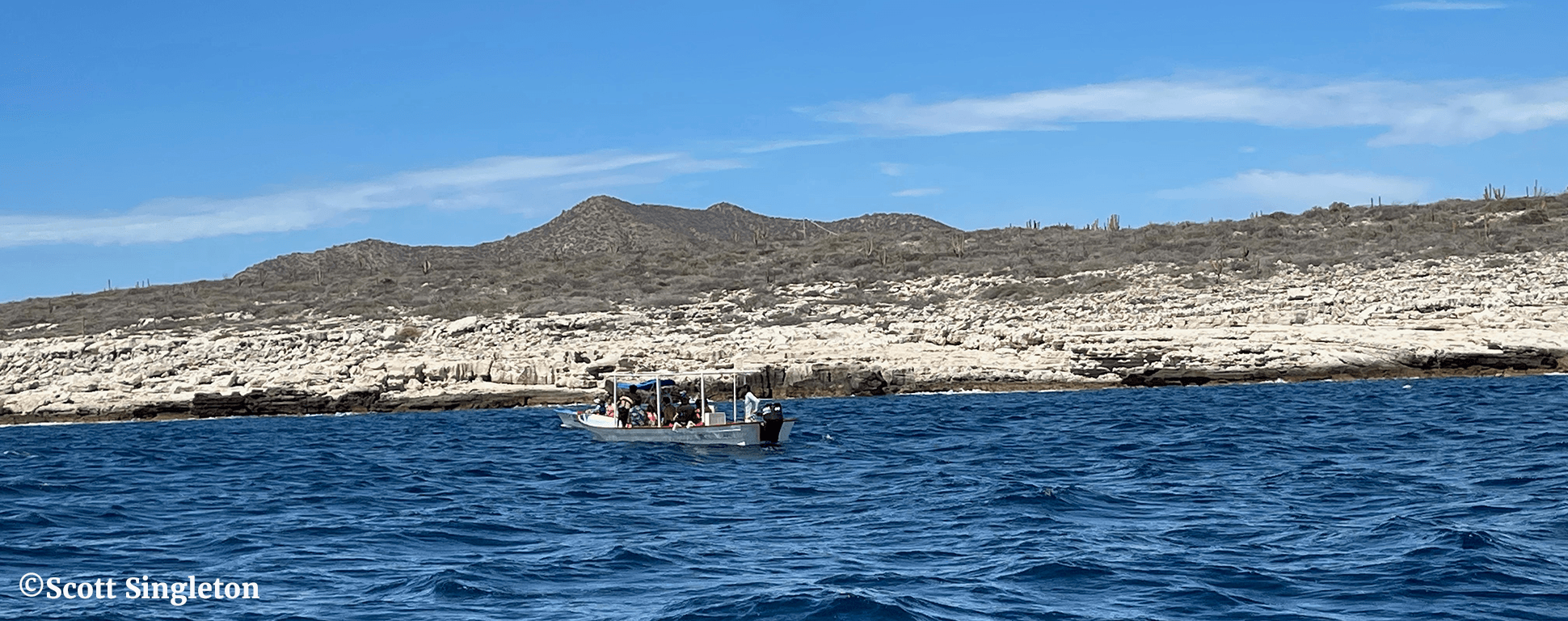
One of the things I enjoy doing is combining my appreciation of the earth with diving. Most of the time the two things are in close juxtaposition as dive sites are often close to shore. And any time a rock exposure presents itself adjacent to the shoreline there is an opportunity to do a bit of geology before jumping into the water for a dive. Most often it’s best to be in a dive skiff which is able to get up close and personal with the rock exposure. That was the case in a recent dive trip I took with Nautilus.

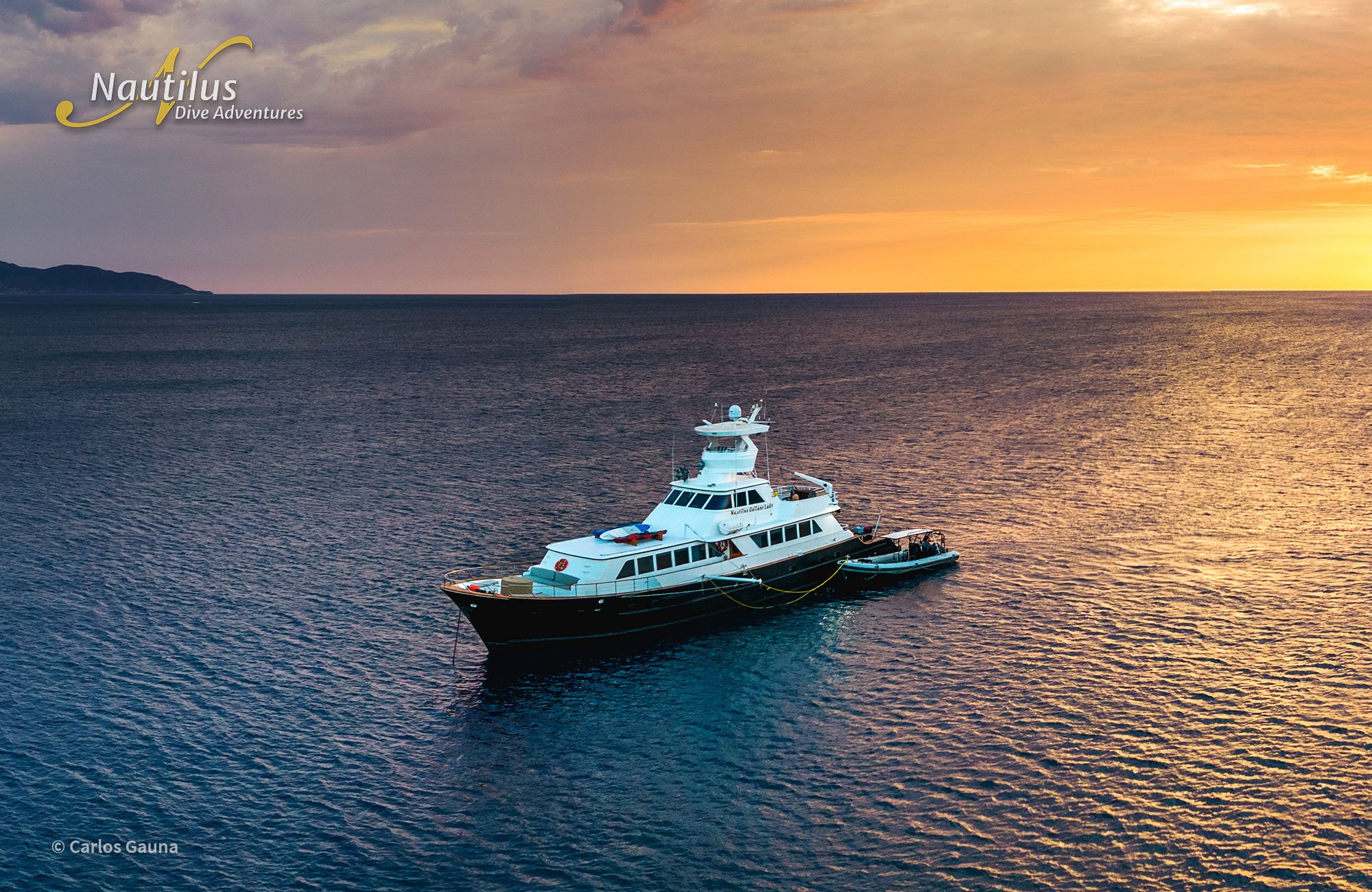
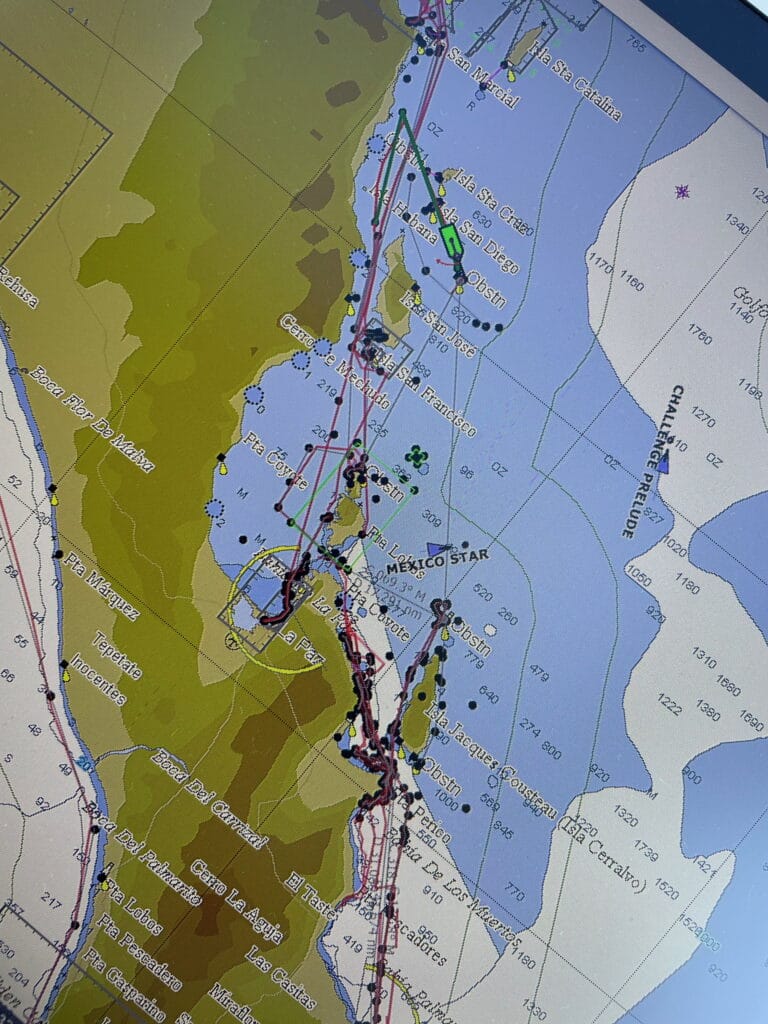
Gallant LadyRecently, I was onboard the Gallant Lady, a 116′ dive yacht. The exciting ‘Orcas and Mobulas’ trip traverses the southern Sea of Cortez in the vicinity of La Paz, visiting Cerralvo Island to the east of La Paz, Espiritu Santo Island which is close and to the north of La Paz and San Francisco and San Jose Islands further north. The format for this excursion is for the boat to cruise around between the islands and the mainland looking for whales, orcas, and schools of mobula rays. And of course making visits to each of the sea lion colonies in this portion of Baja California, which some claim to be the highlight of any trip to these parts because sea lions enjoy the presence of divers and will goof around and pose for the enjoyment of their guests.

Route Map for Trip

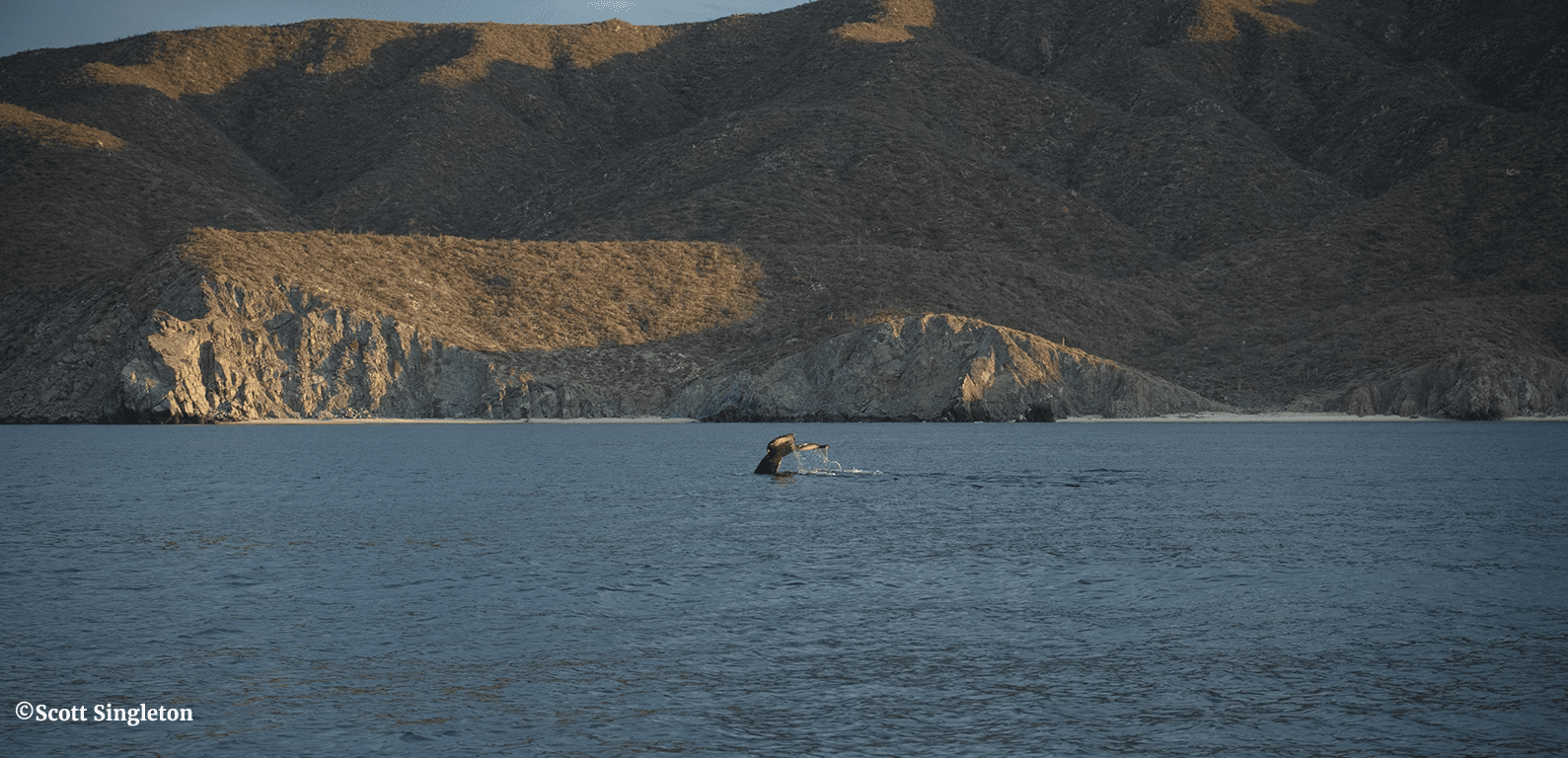
Baja Cliff and whaleThis portion of Baja California is very arid with little rainfall, meaning that rock exposures are plentiful and commonly in the form of sheer cliffs rising out of the sea. Most of the area consists of intrusive basalts (meaning they did not erupt on the surface) that tend to be dark gray or brownish and massive (meaning they lack detail). Basalts in general are oceanic in origin because they originate in the mantle (below the continents). We can tell this because they lack silica (such as quartz which is silica dioxide) which only occurs within continental landmasses.

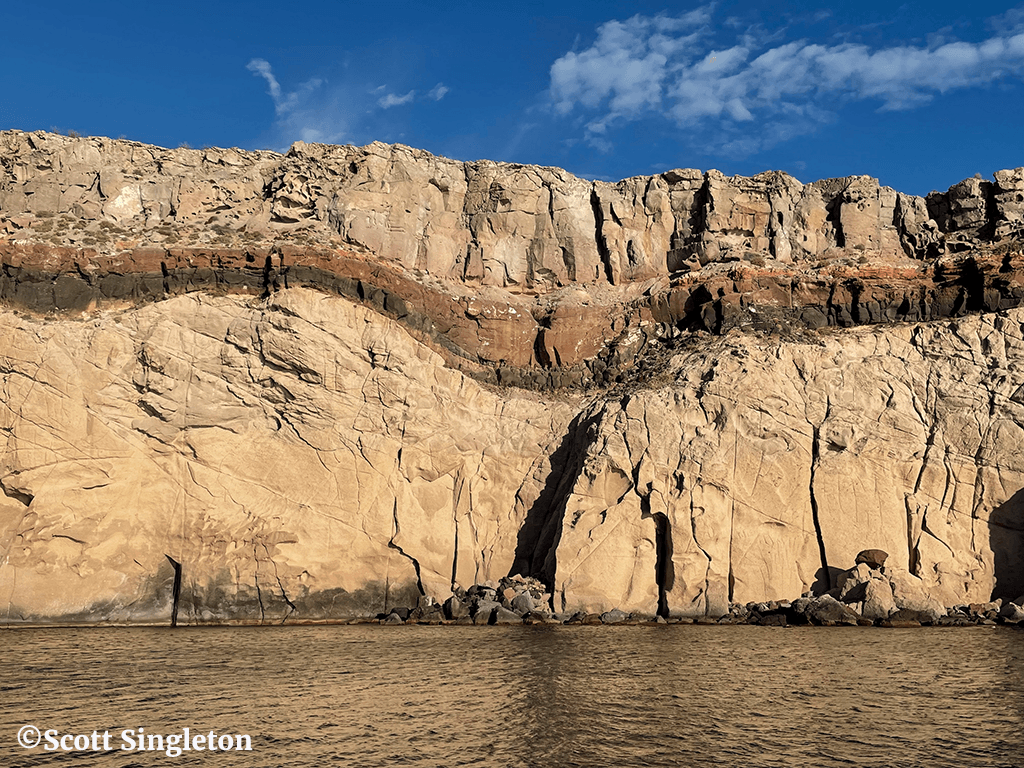
Espirito IslandThere were also some extrusive (meaning they erupted) ash and lava flows. This was clearly seen on the northern portion of Espirito Santo Island when we visited a sea lion colony called La Reina. Here the lowest unit (that we could see at sea level) was a light-colored ash that was covered (unconformably) by a thinnish dark brown lava flow followed by a reddish-brown lava flow, then a soil zone (seen as a thinnish light red and white layer) which was in turn covered by a massive grayish lava flow.

Divers getting readyThe only sedimentary rocks were seen on the mainland coast to the east of La Paz (across from Cerralvo Island) where recent sandstones have been uplifted from the sea due to the tectonic movement of Baja California to the northwest, angling obliquely away from the Mexico mainland. These sandstones show clear layering indicating how they were deposited. The layers sometimes change dip and truncate one another which reveal changes in flow direction. Units like this can be deposited by streams and rivers (called ‘fluvial deposits’) but these sandstones were deposited offshore when sediments carried by these rivers flowed into the sea and were dispersed.

These are just some of the examples of geologic formations found on our recent adventure. But, they are good examples of formations that surround the places we dive. I would encourage you to look beyond the mammals, fish and corals and observe the structures around us when we head out diving. There is a lot more there.

Scott Singleton
Growing up in the wastelands of New Mexico Scott was surrounded by rocks and dirt but it wasn’t until he read Jules Vern’s Journey to the Center of the Earth that he began to see them as exciting! Knowing that the trip that Jules Vern described was somewhat impossible, Scott pursued Geophysics so he could see what was under the surface without leaving his air-conditioned trailer. Receiving his Bachelor of Science from the New Mexico Institute of Mining and Technology was the first step on his journey which continued through the oil fields of Texas, Oklahoma, and his beloved New Mexico. He later climbed higher receiving his Master’s Degree from Texas A&M University. When he isn’t looking for oil, Scott has become one of the leading experts on wood found in the fossil record in Texas. He recruited his entire family to help on these fossil hunting quests spending hours scrabbling over rocks and brush to find clues to the past. Never ones to sit still, the Singletons (Scott, Eileen and Loraine) discovered the world under the surface of the water, and all became scuba divers traveling to the far reaches of the earth photographing and videoing the underwater and surface scenes they encounter. He combines his love of rocks and fossils with his underwater adventures.

Filed Under: Marine Life, Photography, Travel Tagged With: Gallant Lady, Geology, Nautilus, Sea of Cortez, Travel

November 1, 2022 by Eric Keibler

Photography Contest Entry Form Open

It is official, the 2022 Oceanic Ventures Photography Contest entry system is live and you can now start uploading your entries!

The Prizes this year include a trip from Reef Divers and Clearly Cayman! You will also find really cool prizes from the Huish Brand Companies (Atomic, Bare, Oceanic, Stahlsac, Suunto, Zeagle) and from the Cayman Islands Department of Tourism. So don’t miss this opportunity!

Photography Contest Information and Entry Form

Filed Under: Photography Tagged With: Macro Photography, photography, underwater photography

October 10, 2022 by Eric Keibler

Photo Hints – Reef Shooting, Using Lights

By Tobias Friedrich

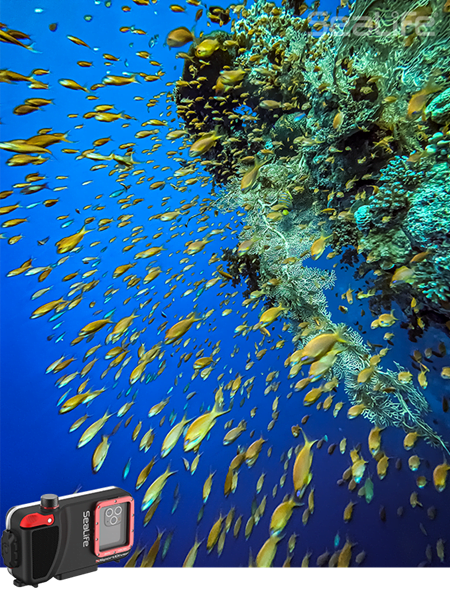
When shooting corals, it’s important to have powerful underwater lighting with a high color rendering like the Sea Dragon 3000F to be able to capture all the colors of the reef. 

Shoot the image when the fish are around the reef, like these Anthias, swimming closely out of the corals preferably in one direction. Shoot several exposures so you’ll capture the best moment.

Equipment: SportDiver Housing with iPhone 12 Max Pro using 0.5x iPhone Lens, Sea Dragon 3000F

If you’d like a copy of the above underwater image, please email: lindsay@pioneer-research.com

SportDiver Underwater Smartphone Housing

SL400-U  Available now!

The SportDiver underwater housing works with iPhone® 7 through the 13 Pro Max and most Android phones. Check if a phone fits and is compatible here. The SportDiver includes a color correcting red filter that brings back lost underwater colors. The best way to get breathtaking images and brilliant video underwater with your phone is with the Sea Dragon 3000F or the complete SportDiver Pro 2500 smartphone housing & photo-video light set.

Sea Dragon 3000SF Pro Dual Beam

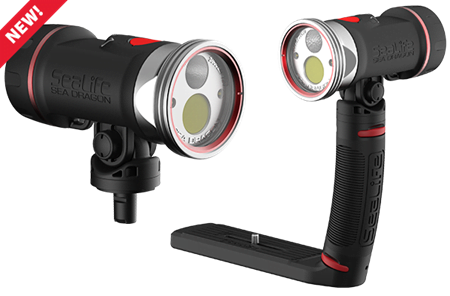
SL679 Available Now! The compact Sea Dragon 3000SF Pro Dual Beam Photo-Video light has a large COB LED, delivering 3000 lumens in an even 120° wide beam. The light offers an impressive 90 CRI (color rendering index) with a proprietary COB LED array that replicates natural sunlight (A CRI of 100 would be just like natural sunlight). With a simple one-button push, the underwater photographer can switch from the wide 120° beam to a narrow 1500 lumen 15° spot beam. For imaging, the spot beam offers many creative opportunities such as to create a narrowly focused snoot or stage spotlight effect.

Filed Under: Photography Tagged With: Sea Dragon, SeaLife Cameras, underwater photography

September 26, 2022 by Eric Keibler

Photo Hints – Keep Calm for Best Results

By Tobias Friedrich

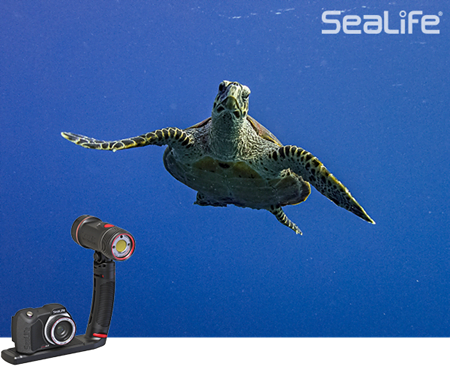
Move calmly in the water and don’t make too many motions, especially not towards the animal, and they’ll tend to come closer to you; like this Hawksbill Turtle. This allows shots of the front and sides which is always good. Approach sharks and other animals the same way.

Equipment: SeaLife Micro 3.0, Sea Dragon 3000F

Settings: Deep Water White Balance

If you’d like a copy of the above underwater image, please email: lindsay@pioneer-research.com

Micro 3.0 Pro 3000 Set

SL552Ideal for colorful, sharp stills and videos, the Micro 3.0 Pro 3000 Set includes the Sea Dragon 3000F Photo-Video Light, Micro 3.0 Camera, Flex-Connect Single Tray and Grip for optimal stability and handling. The SeaLife Micro 3.0 camera offers easy set-up with automatic and manual image setting options. The Sea Dragon 3000F Light has a Color Rendering Index of 80, with a 5000k color temperature to simulate natural sunlight. Sea Dragon Photo/Video Lights reveal beautiful colors in underwater photos and videos.

Sea Dragon 3000SF Pro Dual Beam

SL679

Try the NEW SL554 Micro 3.0 Pro Dual Beam Set! The compact Sea Dragon 3000SF Pro Dual Beam Photo-Video light has a large COB LED, delivering 3000 lumens in an even 120° wide beam. The light offers an impressive 90 CRI (color rendering index) with a proprietary COB LED array that replicates natural sunlight (A CRI of 100 would be just like natural sunlight). With a simple one-button push, the underwater photographer can switch from the wide 120° beam to a narrow 1500 lumen 15° spot beam. For imaging, the spot beam offers many creative opportunities such as to create a narrowly focused snoot or stage spotlight effect.

Filed Under: Photography Tagged With: Sea Dragon, SeaLife Cameras, underwater photography

September 13, 2022 by Eric Keibler

Photo Hint – Shoot for Best Composition

By Tobias Friedrich

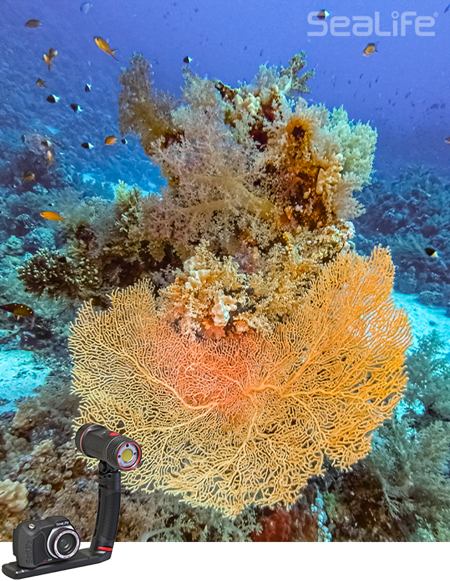
Good composition is always important, especially if you have enough time to frame a subject like this coral reef rock. Try to take a few minutes and swim around the subject, while holding your camera towards it and checking the camera display’s live view. Shoot a few images from each direction and later choose the best one after you’ve downloaded the images. And next time, you’ll know which perspective worked best.

Equipment: SeaLife Micro 3.0, Sea Dragon 3000F

Settings: Deep Water White Balance

If you’d like a copy of the above underwater image, please email: lindsay@pioneer-research.com

Micro 3.0 Pro 3000 Set

SL552Ideal for colorful, sharp stills and videos, the Micro 3.0 Pro 3000 Set includes the Sea Dragon 3000F Photo-Video Light, Micro 3.0 Camera, Flex-Connect Single Tray and Grip for optimal stability and handling. The SeaLife Micro 3.0 camera offers easy set-up with automatic and manual image setting options. The Sea Dragon 3000F Light has a Color Rendering Index of 80, with a 5000k color temperature to simulate natural sunlight. Sea Dragon Photo/Video Lights reveal beautiful colors in underwater photos and videos.

Sea Dragon 3000SF Pro Dual Beam

SL679

Try the NEW SL554 Micro 3.0 Pro Dual Beam Set! The compact Sea Dragon 3000SF Pro Dual Beam Photo-Video light has a large COB LED, delivering 3000 lumens in an even 120° wide beam. The light offers an impressive 90 CRI (color rendering index) with a proprietary COB LED array that replicates natural sunlight (A CRI of 100 would be just like natural sunlight). With a simple one-button push, the underwater photographer can switch from the wide 120° beam to a narrow 1500 lumen 15° spot beam. For imaging, the spot beam offers many creative opportunities such as to create a narrowly focused snoot or stage spotlight effect.

Filed Under: Photography Tagged With: Sea Dragon, SeaLife Cameras, underwater photography

  • « Go to Previous Page
  • Page 1
  • Page 2
  • Page 3
  • Page 4
  • Interim pages omitted …
  • Page 13
  • Go to Next Page »

Footer

Contact Us

Oceanic Ventures, Inc
5808 Newcastle Dr.
Houston, TX 77401-3214
USA

Phone: 713-523-DIVE (3483)

eMail: divesafe@oceanicventures.net

Signup for our dive and scuba newsletters

Don’t miss news about the exciting happenings at Oceanic Ventures.


Map and Directions

Socialize

  • Email
  • Facebook

Why People Choose Us

People choose their friends carefully just as they should choose their adventure partners and Scuba Diving Instructors.  Oceanic Ventures is the premier scuba dive shop in Houston, Texas, and the Southwest because of our exceptional service and our sense of adventure.  In talking with our clients and friends, people choose us for a number of reasons such as: Passion – We love what we do and we want to share the beauty and excitement of the underwater world with everyone we meet. Caring- Our clients tell us they love us because we truly care about people and strive to make their scuba diving experiences safe, fun and enjoyable. Professional – Our staff members are the … [Read more …]

Copyright © 2026 all rights reserved Oceanic Ventures, Inc. · Sitemap · Log in