Jess Stark in Truk Lagoon
With so many of our friends in the Caribbean having suffered damage from the recent hurricanes, I asked one of our clients, Jess Stark, President of Stark Industries, what someone could do to recover from water getting on or submerging their compressor. In true Jess fashion he laughed and said “well they could hire me to do it.” But, then getting serious he sat down and described the process to me and developed a plan of attack to bring the compressor back on-line. Jess said the important part is to act quickly but reasonably and approach the task methodically. Here are the steps from Jess.
What You Will Need
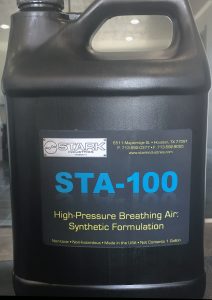
Stark Industries Compressor Oil
To start the salvage operation you will need the following:
Turn off the power to the unit. Flush the entire compressor with fresh water, this is important and must be done as soon as possible to remove any salt water or other contaminants. This includes the motor, both inside and out.
Motor – the bearings in the motor are likely sealed (cool) but you need to dry everything out after the rinse. Use the hair dryer for this job slowly turning the motor shaft. Keep turning it until every thing is dry.
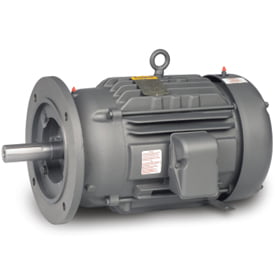
TEFC Frame motor
If you were lucky enough to have a TEFC Frame motor, totally enclosed, fan cooled motor, you probably won’t have to dry the internals out unless it stayed submerged for a long time. You can confirm that it stayed dry by opening one end cover and checking that it is dry.
Drain the compressor crankcase completely, tilt the compressor to make sure everything is coming out.
Flush the crank case with fresh water and use your hair dryer to dry it out completely.
Remove all of the cylinder heads and valves. Dry with the hair dryer to remove any water.
Place the valves in a coffee can or bucket and cover with WD-40. If you cannot find WD-40, you can use diesel but WD-40 was designed to remove or displace water so it is the better choice.
Dry out any water in the cylinders then pour oil in and rotate the compressor shaft while ensuring the oil covers the cylinder walls completely. (any rust stains found at this point should not have started a “pitting action” on the cylinder walls and therefore should be harmless). If you have cylinders point down, you will need to turn the compressor upside-down to do this step.
Flush the electrical boxes and power terminals with fresh water if they were submerged or got wet during the storm. Use the hair dryer to dry everything out.
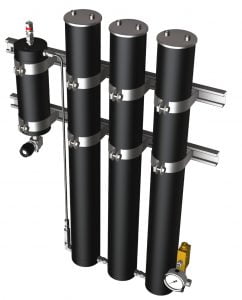
AP-120 Purification System
Your purification system should be alright since it is sealed. But, make sure to rinse the exterior of the towers and components with fresh water. However, the top of the back pressure valve is open (i.e. exposed) and, must be rinsed and dried.
Rinse and dry the intake filter element.
Disassemble and inspect the valves for carbon deposits and look at the seating surfaces. Lap the seating surfaces with the emery on a glass plate if needed.
Reassemble everything. Make sure to use the anti-seize lubricant on the bolt threads.
Refill the crankcase with fresh lubricant and rotate the compressor by hand to make sure it turns and feels smooth
Replace the belts if necessary and restore power to your unit
Now comes the test—turn it on.
When you start pumping air, make sure the fill hoses are not full of water. If water comes out, you will need to flush the hoses and the air distribution manifold with fresh water and then use the compressor to dry them out.
If you are using pneumatic fill whip ends, you will want to disassemble them, dry and re-lubricate them (now is a good time to replace the O-rings).
After you get it running, we recommend you get your air tested to make sure everything is operating properly.
Jess At Work
If you need more advice or have questions, please contact Jess. He is here to help!
Who is Stark Industries?
Stark IndustriesStark Industries was founded in 1962 as a machine shop in Houston, Texas by Jess Stark. As the business grew, Jess steered Stark Industries into manufacturing specialized high pressure compressor packages in 1969.
Today, Stark Industries resides on 1¼ acres in Houston prime. Our shop technicians and operators design and craft everything on site. Our philosophy is to keep it simple. Our goal is to build a dependable, bullet-proof machine, that is easy to operate and maintain.
We build, rebuild and refurbish breathing air compressor systems as well as other large industrial compressor systems.
With all of the rain and flooding in Houston from Hurricane Harvey this week I am sure that some of your scuba diving equipment was exposed to the rising flood waters inundating the area. I’d like to tell you how to clean and decontaminate flood soaked diving equipment. I bet your thinking, “But it is scuba equipment, its supposed to get wet, right?! It is just fresh rain water, right?”
While the initial rainfall may have been fresh water, the water that inundated many Houstonian’s homes was not. The water didn’t enter homes directly. Instead, it landed on the ground and made its way into the home by moving through storm sewers, run-off channels, bayous, etc. During this journey it may have picked up any number of contaminates. The flood water may contain dirt, animal waste, sewage, industrial chemicals, pesticides, home cleaning chemicals (especially with water in the home), oil, fuel, bacteria and viruses.
While much of your scuba equipment is designed to operate in a wet environment, it was not intended to be submerged in the rising waters of the Bayous. This type of water presents a different set of issues that are not normal to diving equipment – namely, immersion in unsafe contaminates.
The Fundamentals of Decontamination
According to the US Navy Manual, Guidance For Diving In Contaminated Waters, “the aim of decontamination is to either rapidly and effectively render contamination harmless or remove it. The goal of systematic decontamination procedures is to limit the spread of the contamination and reduce the levels to the greatest extent possible in order to protect personnel and equipment.”
According to the Environmental Protection Agency, there are a number of solutions that can be used to decontaminate equipment after exposure to contaminated water, see table 1. TABLE 1: EPA Environmental Response Team – Decontamination Solution Effectiveness/Safety
Decontamination Solution
Use against Biological Contaminants
Use against Chemical Contaminants
Safety for Diver Skin Contact
Dive Gear Compatibility
Potable Water
C
C
1
1
Antimicrobial Soap
A
A
1
1
Bleach
A
B
2
2
Betadine
A
C
2
2
Simple Green
B
B
1
1
Quaternary Ammonium
A
B
3
2
TSP
B
A
3
3
Alcohol
A
C
3
2
Effectiveness: A = Very Effective B= Effective C= Somewhat Effective
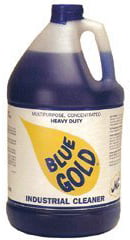
Safety/Compatibility: 1= Not harmful 2 = Potentially Harmful 3 = Harmful if other precautions not followed In talking with Nancy Burger, President of Modern Chemical, Inc., manufacturers of Blue Gold Cleaning Solutions, Blue Gold is an ideal cleaner for equipment that has been submerged in contaminated water because it is highly concentrated, environmental friendly and non-toxic. They have a number of clients using it to clean neoprene and rubber products (including Florida Power and Light) and they have reported that there is no degradation of the materials with repeated use. Blue Gold is an industrial grade cleaner that is safer for the environment than many other products and was tested by the Compressed Gas Association and endorsed for its cleaning efficiency and compatibility and has been tested by NASA and others. Additionally, it is used as a de-greasing and cleaning agent in the diving industry for cleaning equipment for oxygen service. It is the recommended product for this purpose by Atomic Aquatics, Aqua-Lung, Oceanic Products, Hollis, and Zeagle Products. According to the Iowa State University Center for Food Security and Public Health, “in addition to chemical disinfectants, heat, light and radiation may also be appropriately used to reduce or eliminate microorganisms in the environment. The use of heat is a one of the oldest physical controls against microorganisms and is fairly reliable method of sterilization . . . Although both moist heat (autoclave, steam) and dry heat (flame, baking) can be used for inactivating microorganisms, moist heat is more effective and requires less time than dry heat. Sunlight and ultraviolet (UV) light can have a detrimental effect on a number of microorganisms and may be a practical method for inactivating viruses, mycoplasma, bacteria and fungi, particularly those that are airborne. UV light sterilizing capabilities are limited on surfaces because of its lack of penetrating power. Other forms of radiation are less frequently used but may include the use of microwaves or gamma radiation. Freezing is not a reliable method of sterilization but may help to reduce heavy numbers of bacteria; some microorganisms are resistant to freezing”. Unfortunately, most diving equipment is not heat tolerant and does not do well with long UV exposure. However, this research does indicate the some exposure to sunlight may help in the disinfection of the equipment.
Decontaminating Your Scuba Equipment
Protective Gloves
The US Navy uses a combination of products and procedures to decontaminate their personnel and equipment after diving in contaminated water. Using a modified version of these protocols should be sufficient to decontaminate diving equipment that has been submerged in flood waters.
If you find that your scuba equipment has been submerged in the recent flood waters, it’s best to assume that the water is contaminated. So, after donning your protective clothing (i.e. long pants, boots, gloves and eye protection) Let’s find out what can be salvaged.
First, remove all of the equipment from your equipment bags. Dispose of any batteries, paper products, cleaning products, defog, mask cleaners silicone spray etc. These liquid products are probably contaminated, and therefore ineffective. So, out they go.
Now line up the remaining items, including the bags, and rinse everything with fresh water and using a stiff brush, clean off any dirt or debris. Use a nozzle on the hose to get more “cleaning action.” (You can also use a pressure washer on a low setting). At this point, things should be looking up.
After your rinse is completed, let’s focus on removing any chemicals that might be in your equipment.
General Cleaner and De-greasing agentOption 1 Blue Gold Cleaner: In a clean trash can, prepare a Blue Gold Cleaner solution (using a 1:20 ratio) and use it to clean your equipment (Blue Gold is an all purpose cleaner which can be used to remove oil, dirt , grease, chemicals, etc. It is used an a cleaner for neoprene and rubber products as well as for cleaning all metals including air delivery systems for yuse in high oxygen environments. http://www.bluegoldcleaner.com/.) As you can see, it is very concentrated and is safe for the environment. You should use a dunking action to create some agitation in the solution to help remove impregnated chemicals on the equipment. Let everything soak for about 30 minutes. Remove the non-cloth items and let the other items soak for another 30 minutes. Then, it is time to rinse out all of the cleaner/soap. You can use your hose again, and then I would suggest using the trash can with fresh water to help as well. (Don’t worry, Blue Gold is non-toxic, biodegradable and safe for the environment). If you need some, come by Oceanic Ventures; we have it in the repair department.
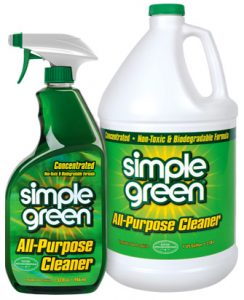
Option 2 Simple Green Cleaner: In a clean trash can, prepare a Simple Green Cleaner solution (using a 1:10 ratio) and use it to clean your equipment (Simple Green All-Purpose Cleaner can be used on any washable surface, from floors and walls to laundry stains. It removes the toughest stains including dirt, grease, oil, pet stains, coffee and juice stains, lipstick, blood, adhesives and much more.http://simplegreen.com/products/all-purpose-cleaner/.) You should use a dunking action to create some agitation in the solution to help remove impregnated chemicals on the equipment. Let everything soak for about 30 minutes. Remove the non-cloth items and let the other items soak for another 30 minutes. Then, it is time to rinse out all of the cleaner/soap. You can use your hose again, and then I would suggest using the trash can with fresh water to help as well. (Don’t worry, Simple Green is non-toxic and is biodegradable).
For our next step we are going to focus on the other contaminants that might still be present in your diving equipment. So, using the same clean and thoroughly rinsed trash can, prepare a disinfecting solution. Two choices might are:
Bleach Solution: dilute common household bleach with water (1 ¼ cup bleach to 1 gallon of water). (Remember, chlorine bleach can damage silicone and rubber products and is hard on the environment).
Steramine Solution: Dissolve 2 tablets to a gallon of water (it turns a nice shade of blue).
Steramine Sanitizing Tablets
My personal recommendation is the Steramine Solution. It is a Quaternary Ammonium, Quats, solution, but unlike other Quats, it is safe for skin in its tablet form and when it is mixed with water. This is the same solution used by rebreather divers for disinfecting the breathing lungs, and it is used to sterilize kitchen equipment and food preparation surfaces in bars and restaurants. Child care facilities are also using Steramine to disinfect toys and surfaces. It is less damaging to silicone and rubber than bleach.
Starting with your non-fabric items, soak them in the solution for about thirty minutes. Remove them and set them aside. Now it’s time to move on to your fabric items. Let them soak for about thirty minutes. If you used a bleach solution, rinse the products off thoroughly. After you have finished this disinfecting stage, set everything in the sun to dry. In Houston, it probably won’t dry completely, so you may have to move it inside a clean area of your house (remember you don’t want to re-infect it) and finish it the next day.
After you have cleaned it, you may find some rubber products remain “sticky.” This is especially true with some latex products. This generally indicates that the materials have begun to break down. If this is the case, this item will need to be replaced and you should discard the item. Unfortunately, not everything can be saved.
After Cleaning and Decontaminating Your Scuba Equipment
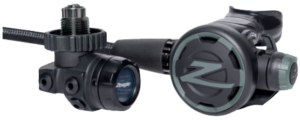
Now, it is time to have your air delivery system and buoyancy control device serviced by a qualified service center. It is your turn to finish maintaining your other equipment…
Mask straps, skirts, fins, snorkel, plastic retainers, etc. – treat them with food grade silicone spray (the kind your local dive shop sells). It is important to re-coat all of your silicone and plastic because the disinfection procedure dries out the materials and can cause them to wear out faster.
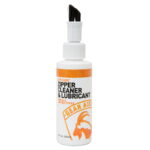
Zipper Cleaner & LubricantBags – Use McNett “Zip Care” to clean and lubricate all of the zippers; be sure to “work” the zippers back and forth to distribute the lubricant throughout the zipper.
Lights – Check the O-rings. Clean them of dirt and debris with a soft lint-free cloth, and lightly lubricate all them with silicone grease. Clean the electrical contacts with contact cleaner, which will remove any corrosion that may have developed.
Dive Knives – Coat the blade with silicone (the same spray above).
Clips and Hardware – Lubricate them with silicone spray making sure to “work” the gates and slides.
After you get your equipment back from the service center, call Dive Mom or your local Dive Facility and book a trip; you need to relax and de-stress after all that cleaning!
I was reading Tim Ferriss’ Blog on Friday and he has his 5-Bullet Fridays and I thought, why don’t I start a similar posing for Mondays so you can start your week with a little different thought. So, here is the first of the Diver’s 5-Point Wednesday Post…
Quote that is making me think –
“All riches have their origin in the mind.
Wealth is in ideas – not money.”
— Robert Collier
What I am Cooking?
Zaide and I have been talking a lot about the Great British Baking Show. I have been binge watching it on Netflix and love the ideas generated from the different challenges. So, this week I am planning on making some traditional cream horns. However, since I don’t want to eat them all by myself, I am going to have to bring them into the office and get some help eating them. So, come by and see what treats are in store for you on Friday.
Deal I Saw?
If you travel a lot, you know that having access to airport lounges can make your wait more pleasant. Priority Pass lets you trade the standard departure gate for “first-class treatment at the airport even if you’re not a first-class passenger (Travel & Leisure).” I have used it internationally and found it to be a nice way to pass the long wait times between flights. Right now you can save 25% off the fee for the first year. Check out the deal here.
Product I am Intrigued By?
Fourth Element’s Ocean Positive has a line of underwear called Strata. With a combination of technical fibres and environmentally sustainable recycled raw materials, our Strata underwear has the look and feel of a luxurious cotton blend, and excellent next to skin performance making it ideal for everyday use, or under your drysuit thermals. Made using recycled coffee grounds to produce a soft, light, flexible, fabric, it is also impregnated with ‘activated’ carbon, derived from coconut. It is UV-resistant, wicks water away, keeps the wearer cool and the activated carbon binds to sweat to eliminate unpleasant odours. Using fabric manufactured according to the Bluesign® standard, the Strata garments are produced using innovative, resource-conserving and environmentally friendly techniques. Starting at only $14.95 (women’s briefs), the price is lower than similar priced garments from traditional travel companies like Ex-Officio or Patagonia. Come by and see what all of the fuss is about!
Desserts: I am always looking for a new baking recipe here is one I found for a tasty Italian treat and the base for several other recipes – Easy Ladyfingers – Italian Tasty Dessert
Oceanic Ventures now carrying the complete line of Ocean Positive swimwear for men and women from Fourth Element. These are suits with minimal fasteners that make them comfortable under wetsuits but stylish enough to wear when you are not in your suit. Ocean Positive swimwear and hydroskin rashguards are made using recycled nylon from fishing nets which have been abandoned by fishing vessels having snagged on reef, wrecks etc.
These “Ghost Nets” amount to over 600,000 tonnes of lost gear every year. The main hazard is to marine life – from invertebrates to large marine mammals. They continue to fish, long after they have been abandoned, and account for countless lives. The netting, very slow to degrade, scrubs coral, creating a desolate seascape where they are dragged over the reef by shifting currents.
Now, all over the world, dive teams are removing these Ghost Nets from the wrecks and reefs, often at great depths, and bringing them up to the surface where they can be recycled and spun into nylon yarn. Fourth Element uses fabric made from ECONYLl®, the recycled yarn, combined with Lycra® to make a line of active swimwear. “This is a fantastic idea, [one which] demonstrates what we can, and should, do for the oceans”. ‘Her Deepness’ Sylvia Earle.
Here is a video explaining the idea behind Ocean Positive.
And, If you want to see the product in action watch this video…
Photo by Pete Nawrocky
Fresh from a week of diving in Fiji, Eric will be staying awake with tall tales and fun stories while helping you to understand why…
So What is All of the Hype About Sidemount Diving for Recreational Divers?
When he is not diving his rebreather, you will find Eric diving using a sidemount configuration, especially on recreational dives. Come learn more about why he likes it and why you might like it too…
WHAT: Club Aquarius Social Club
WHERE: Black Labrador Pub, 4100 Montrose
WHEN: 7:00 PM
HOW: By car, plane, boat, or on foot
Dinner Special: Yes, there will be a dinner and an drink special too!
One of the things we looked at recently is changing some of the computers we offer in our packages and as upgrades to our packages. Two of the new entries are the DC Solar Link and the EON Steel.
According to the website, the DC Solar Link dive computer is the next generation in TUSA’s solar-powered devices. Features include: dive log transfer to smartphone or tablet using Bluetooth® SMART technology; Solar recharging which eliminates the need to replace a battery; 4-Mix Gas support; Free-Dive Mode, and a factory-sealed and rugged design that prevents flooding.
Using Bluetooth® SMART technology, you can transfer the dive logs from the IQ1204 DC Solar Link dive computer to any smartphone or tablet with TUSA Diving LOG app. Once uploaded to your device, dive logs can be shared with your friends on social media.
This computer looks like a new Casio G-Shock watch so it can double as a sport watch. It looks good and we believe it will be a nice addition to our line.
The EON Steel is Suunto’snext generation dive computer. The intuitive Suunto EON Steel combines advanced technology with a bright color screen and customizable features and display to show clearly what you need. With heavy-duty housing, a stainless steel bezel, and user updatable software, Suunto EON Steel will dive with you for years to come. We brought one in for a client who took it on our Cozumel trip and found it easy to read especially during the dusk/night dive. The advantage of this computer is that it can be air integrated.
Another computer introduced last month is the Shearwater Perdix AI. Our technical divers are familiar with other Shearwater computers becasue they have been using them for a number of years. The Perdix AI offers all of the same great features of the Perdix, the Perdix AI uses its large, easy-to-read screen to clearly display the tank pressure as well as your gas time remaining (GTR). The Perdix AI is capable of connecting to either one or two transmitters giving the diver the option to monitor both tanks or dive sidemount.
So, if you are in need of a new dive computer, come by and look at one of the new offerings.



 With all of the rain and flooding in Houston from
  In talking with Nancy Burger, President of
  According to the Iowa State University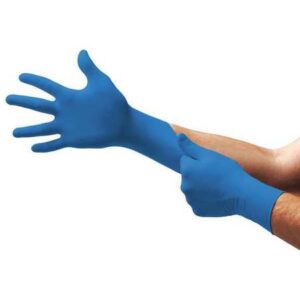
 Option 2 Simple Green Cleaner: In a clean trash can, prepare a Simple Green Cleaner solution (using a 1:10 ratio) and use it to clean your equipment (Simple Green All-Purpose Cleaner can be used on any washable surface, from floors and walls to laundry stains. It removes the toughest stains including dirt, grease, oil, pet stains, coffee and juice stains, lipstick, blood, adhesives and much more.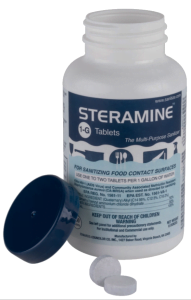
 After you get your equipment back from the service center, call Dive Mom or your local Dive Facility and book a trip; you need to relax and de-stress after all that cleaning!
 I was reading
  Zaide and I have been talking a lot about the
  Product I am Intrigued By?
 Oceanic Ventures now carrying the complete line of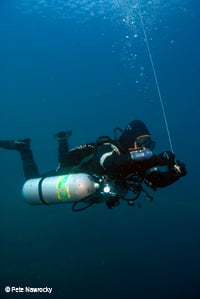
 One of the things we looked at recently is changing some of the computers we offer in our packages and as upgrades to our packages. Two of the new entries are the DC Solar Link and the EON Steel.
 The EON Steel is
  Another computer introduced last month is the