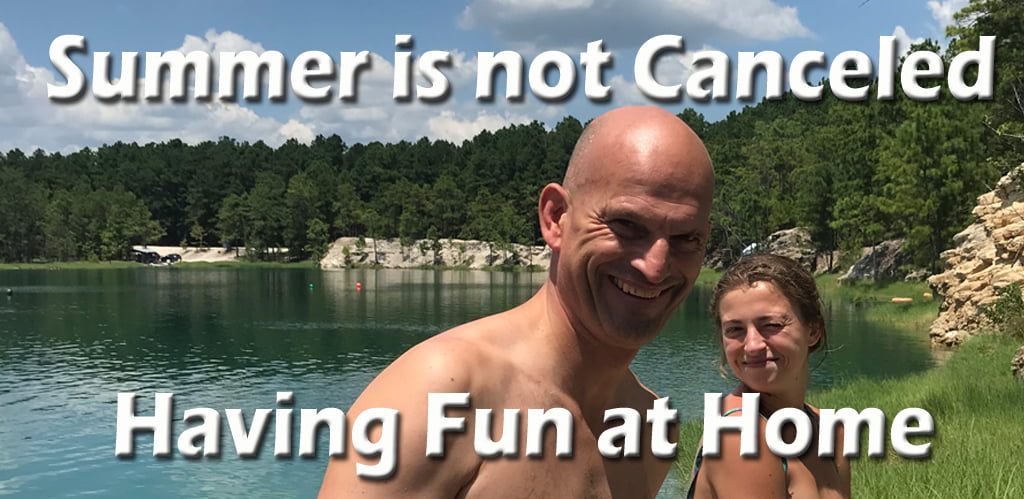
This summer, things have been a little different for all of us. My trip to Bikini was postponed until 2022 and my trip to Grand Cayman was put on hold. I know that I am not alone in having my summer trips changed. David & Jamie missed a trip to St Croix and their Grand Cayman trip was postponed to 2021. A number of our clients have also had their plans changed, delayed or canceled.
 But that doesn’t mean that we cannot find safe but fun things to do close to home. One of our staff members, Charles has made several trips to the Florida Panhandle to relax and go diving in a safe and socially distanced environment.
We have spent much of June and July teaching Starfish™, Scuba Rangers™ and scuba in backyard pools with children and families. Our continuing education classes are all in our virtual classroom with the confined water session being conducted up at the lake.
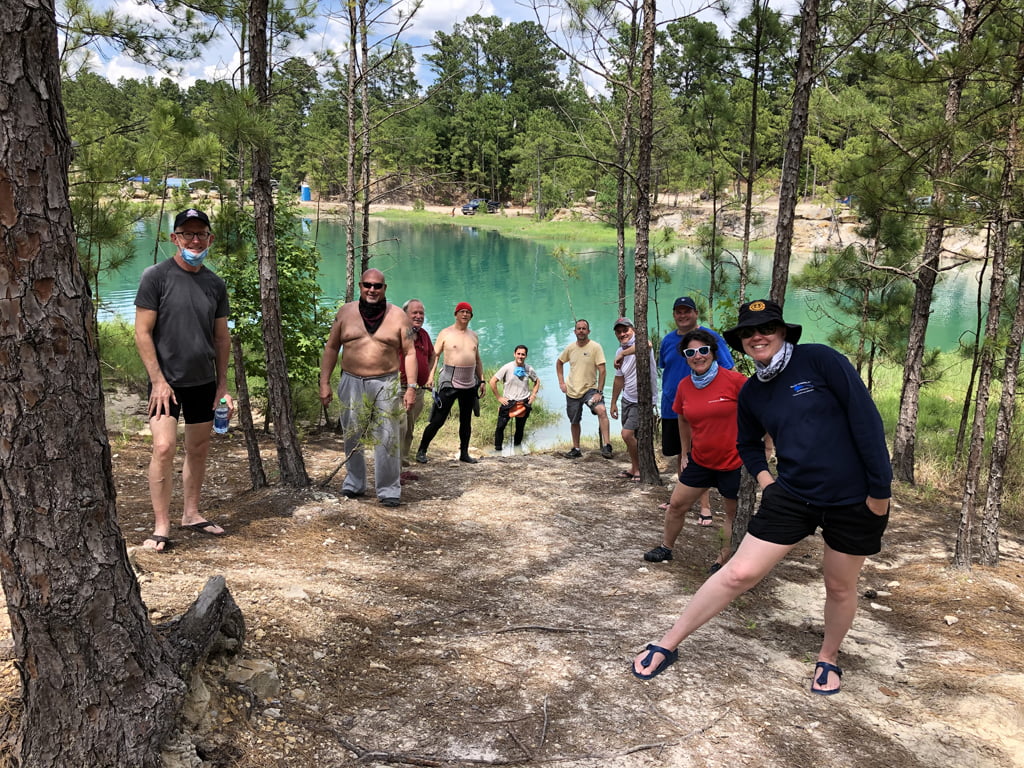 Now, I realize that taking a scuba class is not the same as a summer vacation and diving in the lake is not the same as diving in Grand Cayman or Cozumel. But that doesn’t mean you have to sit at home and lament missing your summer.
If you haven’t guessed by now, I am a glass is half-full kind of person so I always try to find the silver lining. Maybe this is your time to reconnect with your family and diving friends. How about lunch and diving up at Beautiful Blue Lagoon or a small gathering of divers down at Mammoth Lake? Feel like a little drive and some camping? Lake Travis is only 3 hours away and you can camp and dive at Windy point. Or, as one of our clients is doing in a few weeks, they are renting a house through AirB&B and while the divers are at the lake, the non-diving family members will be relaxing around the pool.
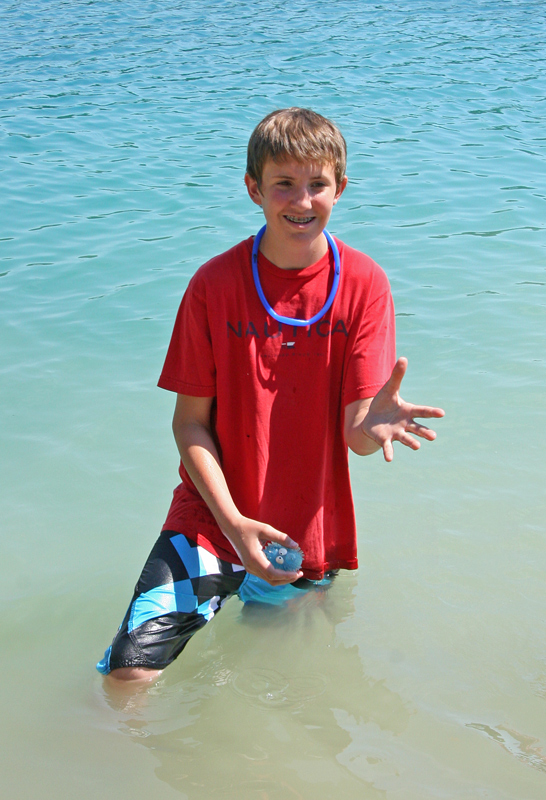 If you still have non-diving family members, now is a great time to get started and discover our local diving spots in anticipation of expanded local diving to Cozumel, Grand Cayman or Belize sometime in the near future. The materials are electronic, the classroom sessions are virtual and the pools sessions are near your home – in your own backyard or a neighbor’s backyard.
For those already a certified diver, a continuing education course might be the thing to get you out and moving. You can join the class virtually and then head to the lake to complete the course. This will let you socialize with real people, outdoors in a safe environment and improve your skills in the process.
Don’t want to take a class and then head up to a local dive spot with a buddy. The closest locations to Houston are:
- The Blue Lagoon in Pine Prairie Texas (ok now Huntsville, TX) offers a nice setting in the piney woods with relatively clear water (for a Texas Lake). It is a diver and swimmer only lake with no boating traffic. There are platforms and sunken objects to find.
- Mammoth Lake in Lake Jackson, TX is full of underwater features from planes to boats, wooly mammoths to king kong and lots of boats underwater. Like Blue Lagoon, it is a diver and swimmer only lake with no boating traffic. The visibility is relatively good in the first 20 feet (better than Blue Lagoon) and not bad further down.
- Lake Longhorn in Clear Lake, Texas is a former sand pit. This generally means that the visibility is not very good most of the summer due to increasing algae growth.
Venturing a little further from home you might try:
- Windy Point on Lake Travis in Austin, Texas
- Canyon Lake in New Braunfels, TX
- Reveille Peak Ranch in Burnet, Texas
You can see all of our Texas diving suggestions with descriptions and links here.
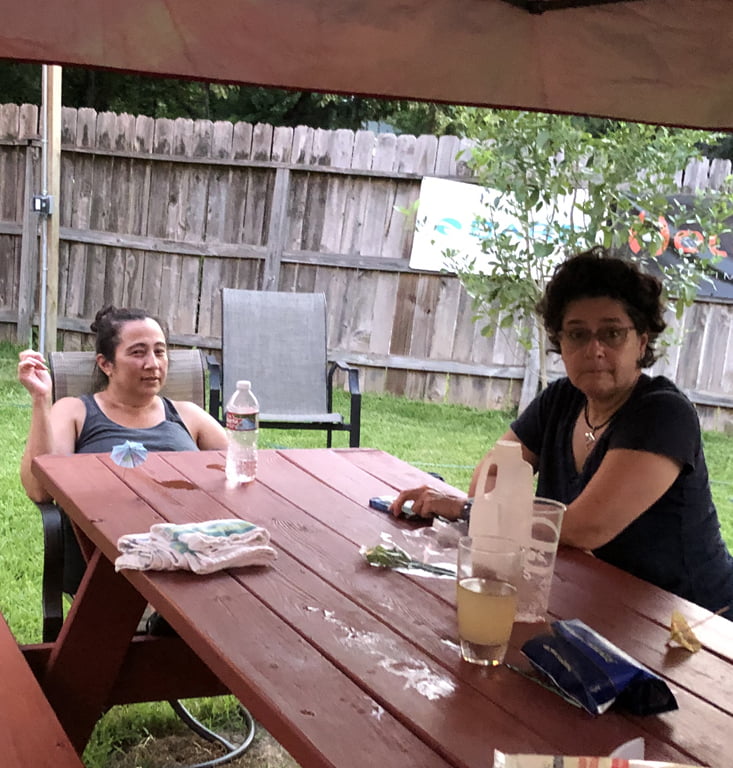 When you are not diving, why not grab your dive buddy, a few treats and some fun beverages and visit our backyard party and event space for a socially distanced “happy hour.” We have had a number of these over the summer and they have been a lot of fun and a positive way to get together.
So even if your summer plans have changed, don’t cancel your summer fun, just revamp and adjust. Remember, as divers we know how to have fun rain or shine. Just reframe this event and look with me for that “silver lining.”

 Briefly on electronic charts. We carry a full complement of traditional paper charts and have the appropriate set readily available at the Navigation Station for the area of the world we’re cruising. More and more however we rely on electronic charts for route planning and plotting while moving near to shorelines. The program CMap, sometimes running MapSea as an easier-to-use interface, is the most popular charting program in this part of the world. It uses seamless, vectorized charts that cover the world on two CDs so it’s not necessary to buy expensive “chart kit” CDs for various areas. Cap’n Voyager, Visual Navigator, and every other program I’ve had a chance to play with completely fail when planning a route across the E/W dateline. With the exception of CMap/MapSea, every charting program refused to draw the roughly 1000-mile route from Tonga to New Zealand. The program insisted on routing you eastward from Tonga, traveling completely around the world to arrive in New Zealand. The other problem is the limited availability of charts for the “chart kit” type programs. CMap/MapSea has become very popular and has very accurate, usable charts.
 And, yes we carry a couple of sextants – a cheap Davis model and a more proper metal one. We also carry sight reduction tables and an almanac. Once in a rare while, I dig everything out and run a series of star sights. After two or three days I get back in the swing and my calculated position starts getting close to my always-accurate GPS fix. Lightening strikes and complete electronic failure aren’t unheard of on cruising boats.
 A few weeks ago, we had about twenty divers join us down at Mammoth Lake for a fun day of diving and exploring. And the main feeling from everyone was…”It felt so good to get wet!”